Hair Transplant Aftercare: The First Month and Beyond
Having a hair transplant in Turkey can be life-changing, but your results depend as much on aftercare as on the procedure itself. The first month, in particular, is a critical window where careful steps and small daily choices help safeguard your grafts and set the stage for healthy growth.
This independent guide explains the practical realities of hair transplant aftercare, from how to wash your hair, to safe sleeping positions, to medication and lifestyle tips that protect both new grafts and existing hair. It’s designed for international patients who want honest, clear information so they can recover confidently and avoid common pitfalls.
The First 14 Days: Dos and Don’ts#
- Do follow your clinic’s written instructions for washing and medication precisely.
- Do sleep with your head elevated (using two pillows or a wedge) for at least 7 nights.
- Do not scratch, rub, or pick at the transplanted area—even if itching is intense.
- Do not expose your scalp to direct sunlight; wear a loose, non-contacting hat if outdoors.
- Do not smoke or drink alcohol, as both slow healing and increase complication risk.
- Do not engage in heavy exercise, swimming, or sauna use during this time.
How to Wash Your Hair After a Transplant#
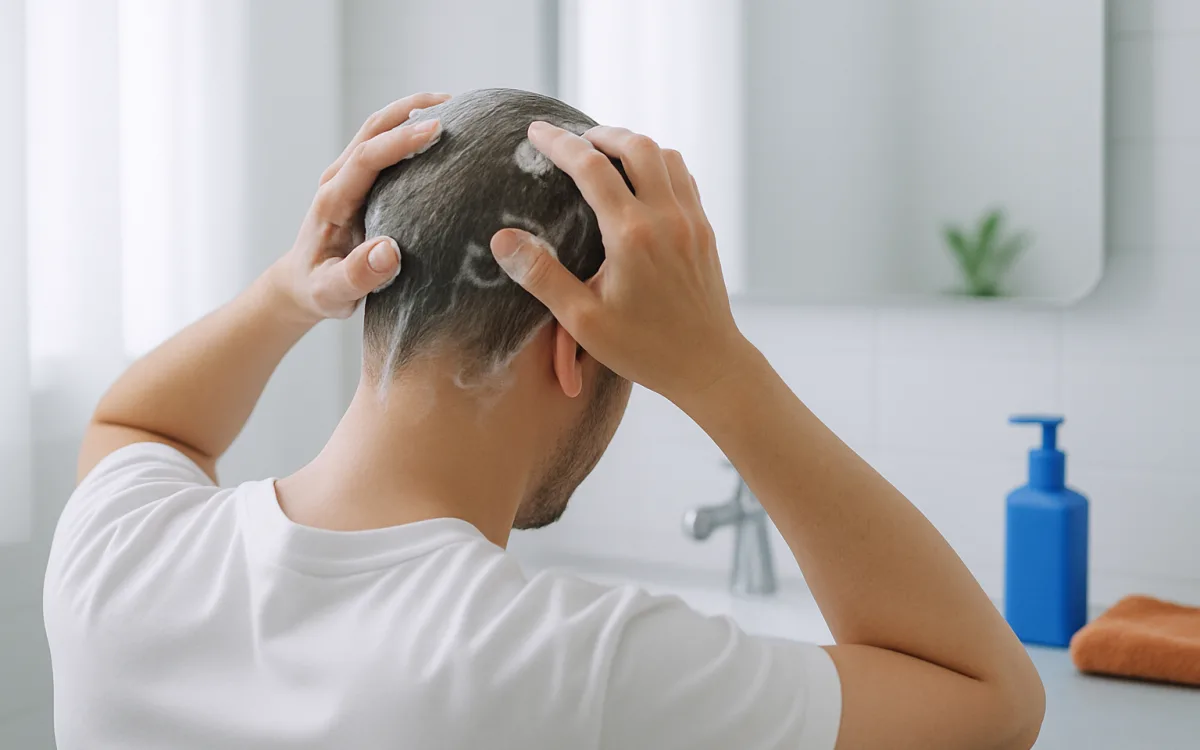
The first wash usually takes place 24-48 hours after surgery, either at your clinic or under their remote guidance. Use the prescribed gentle shampoo and lukewarm water. Apply a moisturising foam (such as panthenol or a clinic-recommended lotion) to the recipient area and let it sit for 30-45 minutes. Rinse gently with a cup—never direct pressure—then lightly lather shampoo between your palms and tap it onto the grafts. Rinse again with a cup. Pat dry with a soft towel; do not rub. Repeat daily for 7-10 days until scabs fall away. For the donor area, slightly more pressure is permissible but always err on the side of caution.
Never use hot water, strong pressure, or unapproved shampoos in the first two weeks.
Medications and Products: What’s Needed, What’s Optional#
| Medication/Product | Purpose | Typical Duration |
|---|---|---|
| Antibiotics | Reduce infection risk | 3-7 days |
| Mild steroid (oral or topical) | Reduce swelling | 2-5 days |
| Painkillers (paracetamol or ibuprofen) | Manage discomfort | As needed, up to 5 days |
| Minoxidil (optional) | Support native hair, improve graft survival | Start after 2-4 weeks, ongoing |
| Finasteride (optional) | Slow further hair loss | Ongoing (as prescribed) |
Sleeping Position and Daily Activities#
Sleeping with your head elevated (at least 30 degrees) for the first 7-10 nights helps reduce swelling and protects the grafts from accidental friction. Avoid sleeping on your stomach or sides if possible. Use a clean pillowcase and consider a travel pillow to prevent rolling.
Light activities like walking are generally safe after 72 hours, but avoid bending over, strenuous exercise, heavy lifting, or any action that increases blood pressure to the scalp for at least 14 days. If you notice bleeding or swelling, rest and contact your clinic for advice.
Sun, Swimming, and Sport: What to Avoid and When#
| Activity | Wait Before Resuming | Reason |
|---|---|---|
| Direct sunlight exposure | 4 weeks minimum | UV damage, graft loss risk |
| Swimming (chlorinated pool) | 3-4 weeks | Infection, chemical irritation |
| Swimming (sea or lake) | 3-4 weeks | Bacteria, saltwater irritation |
| High-impact sports | 4 weeks | Risk of trauma, sweat infection |
| Sauna/steam room | 4 weeks | Heat and humidity delay healing |
Even after four weeks, protect your scalp with a loose hat and sunscreen (once healed) if outdoors.
Why Native Hair Keeps Thinning—And What to Do About It#
A hair transplant in Turkey moves permanent grafts to thinning areas, but it does not stop the underlying process of androgenetic alopecia. Native (non-transplanted) hair, especially at the hairline or crown, may continue to thin and fall out over time. To preserve this hair, ongoing treatment with medications such as finasteride (for men) or topical minoxidil is often advised. These can slow or halt further loss, but only as long as they are consistently used. Not everyone is suitable for, or willing to take, these medications long-term, and side effects or medical contraindications exist. It’s important to have realistic expectations and discuss maintenance options with a qualified medical professional before and after surgery.
Long-Term Care and Monitoring Your Results#
- Take monthly progress photos for at least 12 months to objectively track growth.
- Avoid harsh chemical treatments, bleaching, or strong dyes for at least 3-6 months.
- Consult a dermatologist or hair specialist if you notice excessive shedding after 2 months.
- If you travel home after surgery, secure a line of communication with your Turkish clinic for ongoing questions.
- Plan for a follow-up in-person or video consultation at 6 and 12 months post-op.
Questions people ask
How soon after a hair transplant in Turkey can I return to work?
Most patients return to office-based or remote work within 3-5 days, as long as the work does not involve physical labour, exposure to dust, or risk of scalp injury. Visible redness and swelling often persist for up to 10 days, so some people take a week off for appearance reasons. Outdoor and physically demanding jobs may require 10-14 days of recovery. Always follow your clinic's advice based on your individual healing.
Is it safe to wear a hat after my transplant—and if so, when?
You can typically wear a very loose, non-contacting hat (such as a fisherman’s hat or loose surgical cap) after 3-5 days, when grafts are more secure. Avoid tight caps or anything that presses directly on the recipient area for at least 10-14 days. Hats should be clean and breathable. Always ensure your scalp stays dry and avoid heat build-up under the hat. Check with your clinic for their specific timeline as techniques and healing rates vary.
What are the signs of infection or complications after a hair transplant?
Redness, mild swelling, and some itching are normal in the first week. Signs of infection include increasing pain, spreading redness, swelling that worsens after day 3, foul odour, pus or yellowish discharge, or fever above 38°C. If you experience any of these, contact your clinic or seek medical attention promptly. Prompt care helps avoid serious complications and protects your results. Always err on the side of caution if you are unsure.
hair transplant Turkey aftercarehow to wash hair after hair transplanthair transplant recovery tipshair transplant medication adviceprotecting native hair after transplanthair transplant surgery Turkey