Hair Transplant Recovery Timeline: Honest Milestones After Surgery in Turkey
Considering a hair transplant in Turkey? Understanding the full recovery process is crucial for anyone weighing this life-changing decision. While clinics often highlight quick results, the reality is more complex — and sometimes frustrating — with ups, downs, and periods where your hair may look thinner than before surgery.
This guide walks you through the entire first year after a hair transplant, from the first itchy night to the months of waiting for new growth. We’ll explain what’s normal, when you can resume daily activities, and the signs you shouldn’t ignore. Whether you’re just curious or already booked, knowing what to expect helps you plan and avoid disappointment.
The First Week: Immediate Recovery and Risks#
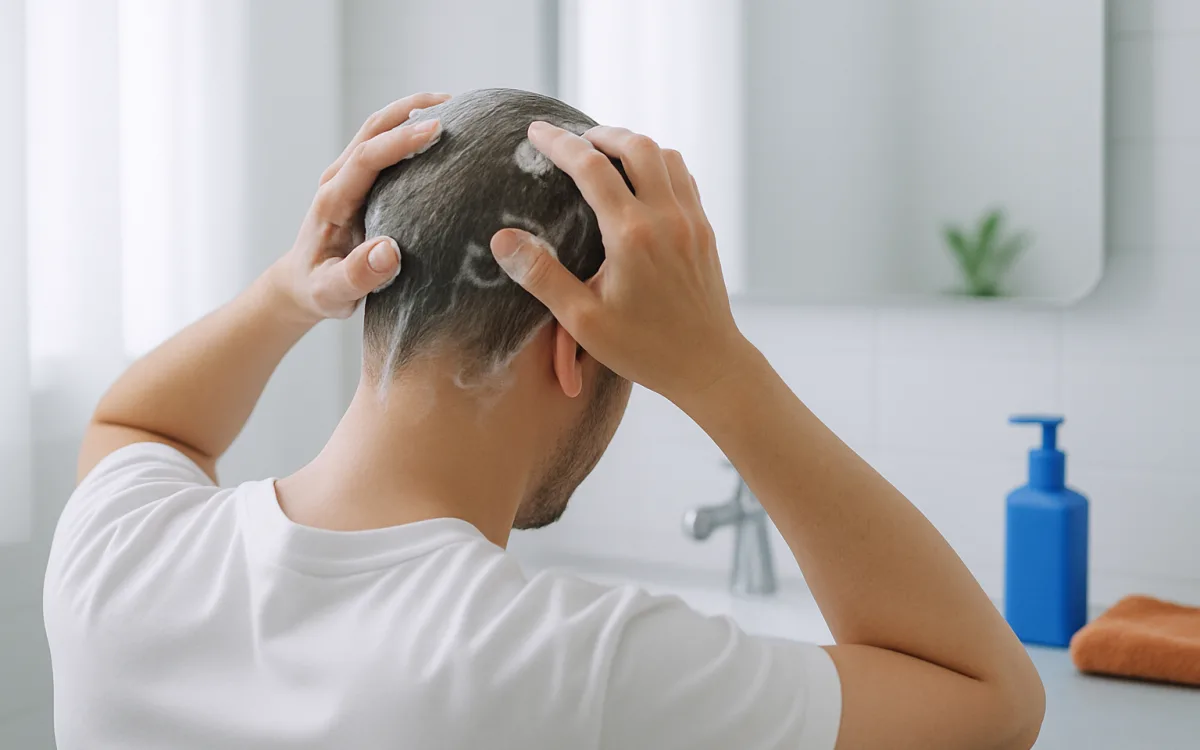
The first seven days after a hair transplant in Turkey are critical for healing and graft survival. Expect some swelling, redness, and mild discomfort, especially around the forehead and eyes. Scabbing forms around each graft and usually falls off within 7–10 days. Most patients are prescribed an antiseptic spray and advised to avoid touching or washing the transplanted area vigorously. Sleeping with your head elevated helps limit swelling, and you’ll need to stay away from strenuous activity and direct sunlight. While infection or excessive bleeding is rare, persistent pain, pus, or a foul smell warrants immediate medical attention. Most can return to desk work after 3–5 days, but physical jobs may require a week or more off.
- Expect swelling and redness for up to one week.
- Small scabs will form and shed naturally.
- Sleep with your head raised to reduce swelling.
- Avoid washing the grafts harshly or scratching.
- Return to office work is possible after 3–5 days.
- Seek medical help if you notice pus or severe pain.
Month-by-Month Hair Transplant Recovery Table#
| Timeline | What to Expect | Key Advice |
|---|---|---|
| Day 1–7 | Swelling, scabbing, itching | Gentle care, avoid sweating |
| Week 2–4 | Shedding of transplanted hairs | Don’t panic, shedding is normal |
| Month 2–3 | Patchy appearance, possible shock loss | Patience, avoid judging results |
| Month 4–6 | Early new growth, fine hairs | Mild styling allowed |
| Month 7–9 | Noticeable thickening | Resume most activities |
| Month 10–12 | Fuller, mature results | Final assessment possible |
Shedding in the first month is normal and does not mean the grafts have failed.
When Will You Look Presentable Again?#
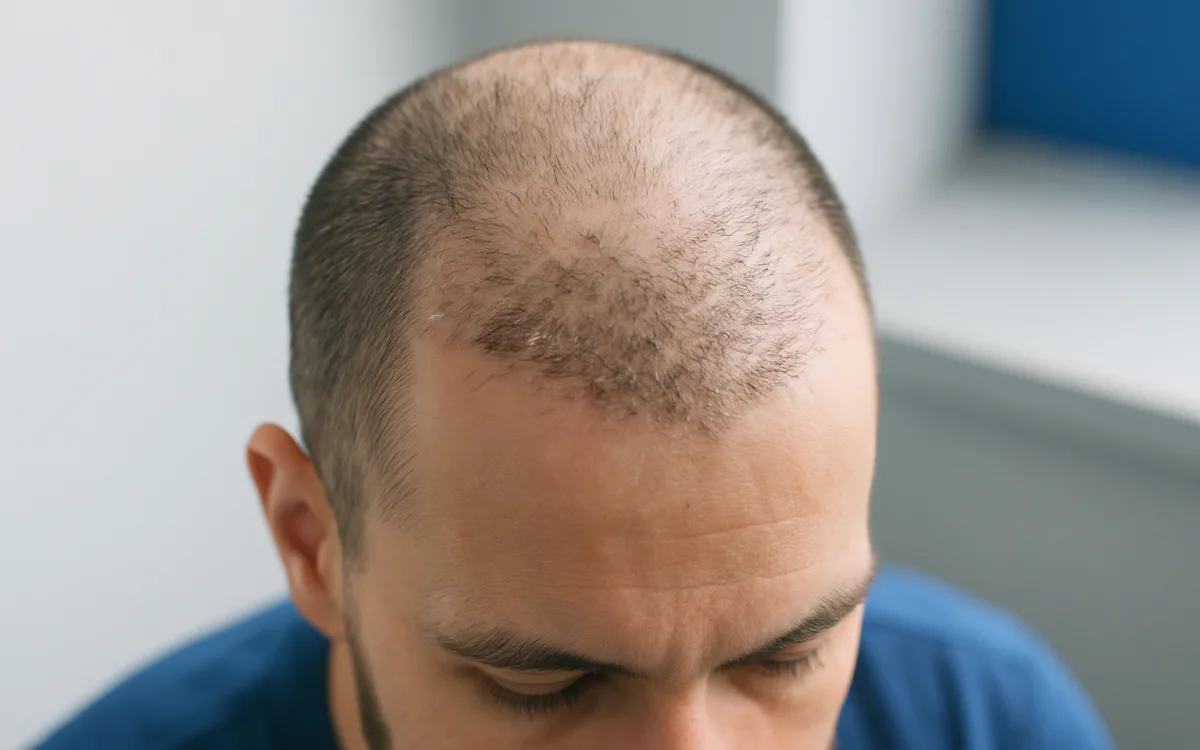
It’s common to feel self-conscious in the first month after hair transplant surgery, as redness and patchy hair loss can make things look worse before they improve. Most visible signs fade by week 2–3, but the so-called 'ugly duckling' phase — where transplanted and native hair shed unevenly — can last until month 3. By month 4–6, early regrowth makes styling easier, and most people feel comfortable in public or at work. However, thickening and final density usually take up to 12 months. Plan any public appearances, weddings, or important events with a 6–12 month buffer if possible.
- Redness fades for most by week 3.
- Patchiness can persist until month 3.
- New growth starts around month 4.
- Thickening continues until month 12.
- Plan for 6–12 months before a final look.
Return to Work, Exercise, and Sun Exposure#
| Activity | Safe to Resume | Precautions |
|---|---|---|
| Desk job | Day 3–5 | Wear a loose cap if needed |
| Manual labour | Day 10–14 | Avoid sweating, wear protection |
| Light gym/cardio | Week 3 | No heavy weights until week 4 |
| Swimming | After 1 month | Only in clean, chlorinated pools |
| Sun exposure | After 4 weeks | Use sunscreen or a hat |
Direct sun on the scalp in the first 4 weeks can damage healing tissue and increase scarring risk.
Warning Signs: When to See a Doctor#
While most issues after a hair transplant in Turkey are minor and resolve with basic care, certain symptoms indicate a need for immediate medical review. Infections, blood clots, or severe allergic reactions are rare but serious. If you experience any of the warning signs above, contact your local doctor or the clinic that performed your surgery as soon as possible. Do not attempt to self-diagnose or delay professional evaluation.
- Persistent or severe pain after the first week.
- Yellow, green, or foul-smelling discharge.
- Extensive, rapidly spreading redness or swelling.
- High fever or chills.
- Large areas of numbness that do not improve.
Why Results Vary: Donor Area, Technique, and Realistic Timelines#
Your final result depends on several factors: the quality and density of your donor area, the technique used (FUE, DHI, or FUT), and your body’s healing response. Not everyone is an ideal candidate for hair transplant surgery, especially those with advanced hair loss and low donor supply. Some patients see slower regrowth or patchy density even after a year. The best clinics in Turkey are transparent about these variables and will not promise a fixed outcome. Honest assessment and realistic timelines protect you from disappointment and unnecessary risk.
Planning Your Trip: Cost, Quotes, and Choosing a Vetted Clinic#
Turkey is popular for hair transplant surgery due to competitive pricing and experienced clinics, but costs can vary from €1,500 to €4,000 or more, depending on graft numbers, technique, and clinic standards. Price should never be your only criterion: check for licensing, surgeon experience, and independent reviews. A reputable information and referral platform can help you request a written, obligation-free quote from vetted clinics. Always clarify what is included in the price (medication, follow-up, accommodation) and never commit based on promises alone.
- Compare written quotes from several clinics.
- Confirm the surgeon’s credentials and experience.
- Ask what’s included in the total package.
- Beware of inflated graft counts or vague pricing.
- Consider travel, accommodation, and follow-up costs.
Questions people ask
How long before I see final results after a hair transplant in Turkey?
Most patients see new growth starting from month 4, with significant thickening by month 9 and final results around 12 months. Some may notice improvements up to 18 months, especially with larger procedures. Early shedding and patchiness are normal, and patience is important during the first six months.
When can I exercise or go to the gym after a hair transplant?
Light exercise like walking can usually resume after 7–10 days, but strenuous activity, heavy lifting, or contact sports should be avoided for at least 3–4 weeks to protect the grafts. Sweat and trauma can increase the risk of infection and affect healing. Always follow your clinic’s specific advice.
What are the warning signs after a hair transplant that require urgent attention?
Signs such as persistent or increasing pain, pus or foul-smelling discharge, spreading redness, high fever, or significant numbness may indicate infection or other complications. Seek medical advice immediately if you experience any of these symptoms, as early treatment prevents serious problems.
hair transplant Turkeyhair transplant recovery timelineFUE hair transplant aftercarehair transplant swelling and sheddingreturn to work after hair transplanthair transplant warning signs