Shock Loss After a Hair Transplant: What to Expect and When to Worry
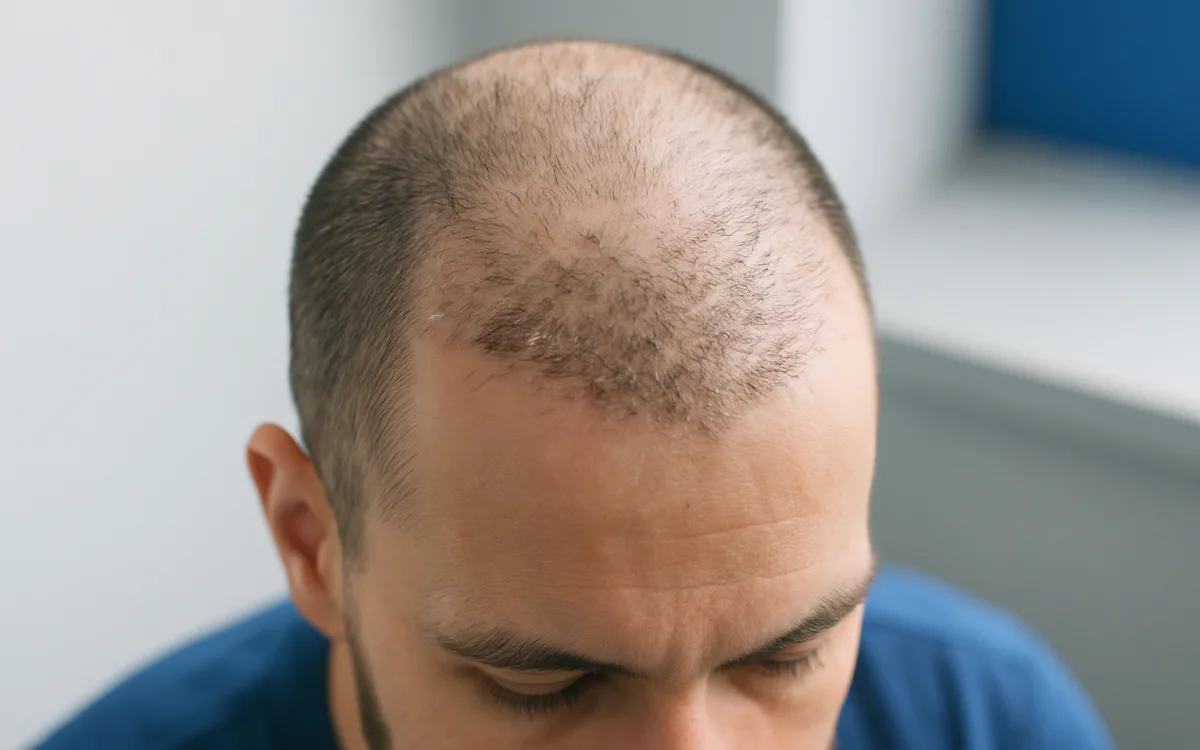
Experiencing sudden hair shedding after a hair transplant in Turkey can be alarming, but in most cases, it’s a normal part of recovery. Patients often notice transplanted hairs—and sometimes even native hairs—falling out around the third week post-surgery, a process known as “shock loss.”
Understanding the difference between expected shedding and genuine complications is crucial for anyone considering surgery. This guide outlines why shock loss happens, what the timeline looks like, and how to know if your experience is within the normal recovery range or if it signals a problem that needs professional attention.
What Is Shock Loss and Why Does It Happen?#
Shock loss refers to the temporary shedding of hair following a hair transplant procedure. It can affect both transplanted grafts and existing native hairs in the recipient area. This occurs as a response to the trauma and inflammation caused by surgery, including the use of micro-incisions or extraction tools in FUE (Follicular Unit Extraction) and FUT (Follicular Unit Transplantation). Blood supply to the scalp is briefly disrupted, which causes some hairs to enter the telogen (resting) phase and fall out.
Shock loss is not unique to hair transplant Turkey clinics; it’s a recognised phenomenon globally. While most patients will experience some level of shedding, the extent varies depending on individual scalp sensitivity, surgical technique, and pre-existing hair density.
Transplanted Shedding vs Native Shock Loss#
| Type of Shedding | When It Happens | What Returns? |
|---|---|---|
| Transplanted graft shedding | Weeks 2–4 post-surgery | Most grafts regrow from month 3 |
| Native hair shock loss | Weeks 2–8 post-surgery | Usually regrows by month 6, but not always |
| Permanent native loss (rare) | Within 3 months | May not regrow if follicles were weak |
Shedding of transplanted hairs is expected and temporary, but loss of existing native hair can sometimes be longer-lasting, especially in patients with advanced thinning.
The Typical Timeline for Shock Loss#
The process of shock loss is usually most dramatic around week three, often leading to a patchy or thinner appearance. While this can be unsettling, it’s a recognised part of the recovery phase for most hair transplant Turkey patients. Regrowth of transplanted hair typically starts by month three, with visible improvement by month six.
- Days 1–7: Mild swelling, transplanted area begins to crust.
- Days 8–14: Scabs fall off, first signs of shedding may appear.
- Weeks 2–4: Bulk of transplanted hairs shed; native hairs may shed too.
- Weeks 4–8: Native shock loss peaks, then slows.
- Months 3–6: Transplanted hairs start to regrow; most native hairs return.
Who Is at Greater Risk of Shock Loss?#
Not everyone experiences shock loss to the same degree. If your existing hair is already fragile or miniaturised, it is more susceptible to permanent loss from shock. In some cases, shock loss may reveal underlying hair loss that would have progressed regardless of surgery. Clinics in Turkey and elsewhere should screen for these risk factors during a consultation.
- Patients with pre-existing thinning in the recipient area.
- Those undergoing large graft sessions (over 3000 grafts).
- Individuals with aggressive male pattern baldness.
- Patients taking certain medications (e.g., blood thinners).
- Older patients or those with low scalp elasticity.
How to Tell If Shock Loss Is a Problem#
| Sign | Likely Normal | Needs Attention |
|---|---|---|
| Shedding starts in weeks 2–4 | Yes | If after 8+ weeks |
| Loss is mostly transplanted hairs | Yes | If native hair loss is extensive |
| Itching and redness resolve in 2 weeks | Yes | If persistent or severe inflammation |
| Regrowth visible by month 4 | Yes | If no regrowth by month 6 |
Persistent redness, pain, or sudden bald patches outside the transplant area should prompt you to consult a medical professional—not just your clinic.
Can Shock Loss Be Prevented or Treated?#
While complete prevention of shock loss is rarely possible, certain steps may reduce risk. Some clinics recommend pre-surgical use of minoxidil or finasteride, but these are not suitable for everyone and must be discussed with a doctor. Gentle handling of the scalp, avoiding harsh shampoos, and following post-operative instructions are essential. In Turkey and elsewhere, reputable clinics will not promise to eliminate shock loss entirely. Treatments for persistent native shock loss might include continuing medical therapy or, in rare cases, a second procedure.
- Follow all post-op care instructions strictly.
- Avoid smoking and alcohol in early recovery.
- Delay resuming strenuous activity until cleared.
- Discuss any unusual symptoms promptly with your clinic.
- Do not rush into repeat surgery if regrowth is delayed.
Long-Term Outcomes: When Doesn’t Hair Come Back?#
For most hair transplant Turkey patients, both transplanted and native hairs will regrow within 6–12 months. However, there are rare cases where native hair, especially if already miniaturised, does not return. This is more likely in older patients or those with advanced androgenetic alopecia. Permanent loss is typically limited and does not affect the majority of patients, but it is important to understand this risk before surgery. Honest consultation and realistic expectations are essential.
Questions people ask
Is it normal for my transplanted hair to fall out three weeks after surgery?
Yes, it is entirely normal for transplanted hairs to shed around three weeks after a hair transplant in Turkey. This phase is called 'shock loss' and happens as the transplanted follicles enter a resting stage before regrowing. The majority of these hairs will start to grow back from the third or fourth month onwards. If you see some native hair shedding too, this is often temporary, but you should alert your clinic if you notice bald patches or if shedding seems excessive.
How can I tell if my shock loss is permanent?
Permanent shock loss is rare and usually affects only native hairs that were already weak or miniaturised before surgery. Signs that shock loss may be permanent include a lack of regrowth six months after the transplant or the appearance of new, persistent bald patches. Most patients see regrowth of both transplanted and native hairs within six to twelve months. If you are concerned, seek advice from a qualified hair restoration professional, not just the clinic’s sales staff.
Can anything reduce the risk of shock loss after a hair transplant?
While shock loss cannot be entirely prevented, its severity may be reduced by following post-operative care instructions, avoiding trauma to the scalp, and discussing medical therapies such as minoxidil or finasteride with your doctor before and after surgery. Choosing an experienced hair transplant Turkey clinic that uses gentle surgical techniques can also help. Remember, no clinic can guarantee zero shock loss, and any claims to the contrary should be viewed with caution.
hair transplant Turkeyshock loss after hair transplanttransplanted hair sheddingnative hair loss after transplanthair transplant recovery timelinerisks of hair transplant surgery