Beard and Eyebrow Transplants in Turkey: What Sets Them Apart
After a scalp hair transplant, many people consider beard or eyebrow transplants as the next step to restore facial hair or enhance symmetry. These procedures offer options for those with sparse beards, patchy growth, or thin eyebrows, but their technical demands and outcomes differ significantly from scalp work.
This guide explains the graft numbers you can expect, why direction and angle matter so much, and what makes eyebrow restoration especially challenging. If you’re considering a hair transplant in Turkey, understanding the limitations and planning for realistic results is essential before requesting a quote or choosing a clinic.
How Beard and Eyebrow Transplants Differ from Scalp Procedures#
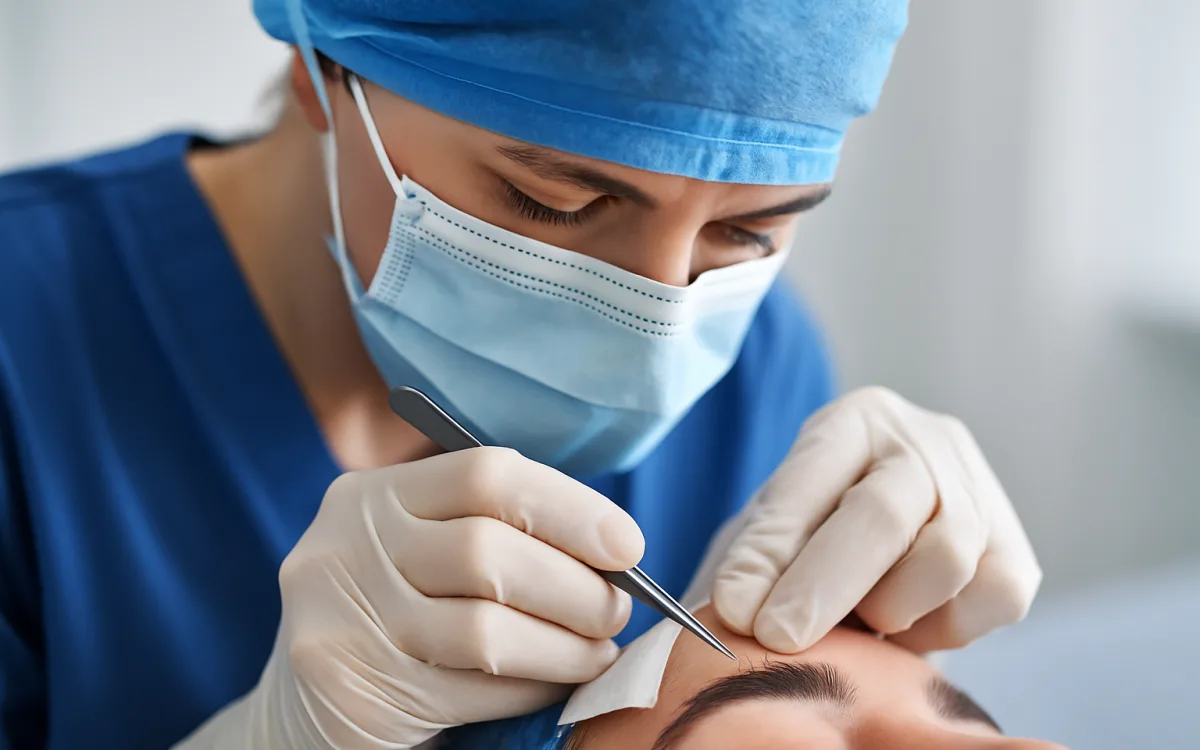
Beard and eyebrow transplants use similar basic techniques as scalp hair transplantation, typically FUE (Follicular Unit Extraction). However, the goals and technical requirements are quite different. In beard transplants, surgeons must recreate natural growth patterns and density, particularly in areas like the cheeks or chin where hair grows in varied directions. Eyebrow transplants are even more demanding: each graft must be placed at a very shallow angle and follow the natural curve of the brow, or the result will look unnatural. Both procedures require careful planning with an experienced team, and not everyone who is a candidate for scalp work will be eligible for facial hair transplantation.
Typical Graft Numbers: What Can You Expect?#
The number of grafts required depends on the area covered and your existing facial hair. Full beard restoration typically requires 2,000–3,500 grafts, while eyebrow procedures use far fewer—usually between 150 and 350 per pair. Smaller areas such as sideburns or a patchy moustache need proportionally less. Clinics in Turkey will assess your donor area (usually the back of your scalp) and design a plan based on your goals and available grafts. If you have limited donor hair or unrealistic expectations for density, a reputable clinic will advise against surgery.
| Area | Typical Graft Range | Purpose |
|---|---|---|
| Full Beard | 2,000–3,500 | Restoring or thickening entire beard |
| Goatee/Moustache | 400–800 | Filling in central facial hair |
| Sideburns | 200–400 per side | Defining or extending sideburns |
| Eyebrows (both) | 150–350 | Reshaping or thickening eyebrows |
Donor hair is a limited resource—overharvesting can leave visible thinning at the back of your head.
Why Eyebrow Transplants Are the Most Technically Demanding#
Eyebrow transplants require extreme precision. Each hair must be placed at a shallow angle (often less than 10 degrees to the skin) and follow a specific direction to mimic the natural sweep of the brow. Unlike scalp or beard hair, eyebrow hairs are very fine and typically grow in single units. Overly dense placement, incorrect angle, or using multi-hair grafts can result in unnatural or bushy brows. Because of these challenges, eyebrow transplants are considered one of the most difficult forms of hair restoration, and only surgeons with specific experience should attempt them.
- Correct angle and direction are crucial for a natural look.
- Only single-hair grafts should be used in eyebrows.
- Eyebrow shape must match natural facial anatomy.
- Healing and regrowth are slower than for scalp procedures.
Donor Area Assessment: How Much Can You Safely Take?#
All facial hair transplants rely on donor grafts—usually taken from the back or sides of the scalp. The density and quality of your donor area limit what is possible. Overharvesting risks leaving visible patches or thinning. For people who have already had a scalp hair transplant, the available donor supply may be reduced, and this can affect beard or eyebrow plans. A good clinic will provide a conservative estimate and may advise a staged approach or recommend against surgery if the risk of overharvesting is high.
| Donor Area Quality | Maximum Safe Grafts | Suitability |
|---|---|---|
| High (dense, thick hair) | Up to 4,000+ | Full beard, both eyebrows |
| Medium | 2,000–3,000 | Partial beard, one feature |
| Low (thin or depleted) | Under 1,000 | Limited touch-ups only |
If you have a history of excessive scarring or poor healing, donor area harvesting may not be advisable.
Growth Timelines: What to Expect After Surgery#
Facial hair transplant recovery is generally quick, but patience is essential. Unlike scalp hair, eyebrows and beard grafts may take longer to blend in naturally. Shedding is common and not a sign of failure. Full results may not be apparent for a year. Eyebrow grafts often need regular trimming as they retain some scalp hair characteristics. Understanding these stages can help set realistic expectations and avoid disappointment.
- Initial healing (redness, small scabs) usually resolves in 7–10 days.
- Transplanted hairs often shed within the first 2–4 weeks—this is normal.
- New growth typically begins around 3–4 months after the procedure.
- Most results are visible at 8–12 months, but eyebrows may take longer to fully mature.
- Beard and eyebrow hairs may initially grow with scalp-like characteristics (longer, thicker) and require trimming.
Cost Factors for Beard and Eyebrow Transplants in Turkey#
The cost for beard and eyebrow transplants in Turkey varies based on the number of grafts, the clinic's experience, and the complexity of your case. As a rough guide, beard transplants typically range from €1,500 to €3,500, while eyebrow procedures are usually between €700 and €1,500. Higher prices may reflect more experienced teams or advanced technology, but cost should never be the only factor. Always check what is included (e.g., aftercare, accommodation) and ask for a written quote. Avoid clinics that guarantee results or offer suspiciously low prices.
- Number of grafts required
- Clinic’s reputation and medical team experience
- Inclusion of aftercare or accommodation
- Complexity of the region (eyebrows generally cost more per graft)
Always request a written itemised quote before committing to any procedure.
How to Choose a Clinic and When to Reconsider Surgery#
Selecting the right clinic is critical, especially for beard and eyebrow transplants. Look for clinics with a clear track record in facial hair procedures and ask to see before-and-after images of cases similar to yours. Confirm the credentials of the surgical team and ensure you will have a consultation (in person or remotely) with a doctor, not just a salesperson. Surgery may be premature if you are still losing hair rapidly, have underlying skin conditions, or have unrealistic expectations about density or symmetry. Sometimes, non-surgical options such as microblading (for eyebrows) or medical therapy may be more appropriate.
- Request independent reviews and patient testimonials.
- Verify surgeon experience in facial hair transplantation.
- Ask about graft management and donor area planning.
- Consider a second opinion if you feel pressured or rushed.
If you have doubts about your suitability, a reputable clinic will advise waiting or exploring alternatives.
Questions people ask
How long does it take to see results from a beard or eyebrow transplant?
Most patients see new hair growth begin around 3–4 months after the procedure, with full results visible at 8–12 months. Eyebrow transplants can take even longer to look fully natural, as the hairs may initially grow faster and thicker than native brows. Patience is key, since the early shedding phase is normal and does not indicate failure of the transplant.
Can anyone get a beard or eyebrow transplant in Turkey?
Not everyone is a good candidate. You need sufficient donor hair at the back of your scalp, healthy skin, and realistic expectations. If you have advanced hair loss, poor donor density, certain skin conditions, or are still losing hair rapidly, a reputable clinic may advise against surgery or recommend waiting. Always seek an honest assessment before proceeding.
What are the main risks or downsides of facial hair transplants?
Risks include uneven or unnatural growth if grafts are misplaced, visible scarring in the donor or recipient area, infection, or disappointment if expectations are too high. Eyebrow transplants are particularly challenging, and poor technique can result in hairs growing in the wrong direction or requiring frequent trimming. Choosing a skilled, experienced team greatly reduces these risks.
hair transplant Turkeybeard transplant Turkeyeyebrow transplant cost Turkeyfacial hair restoration TurkeyFUE beard transplanteyebrow transplant recovery