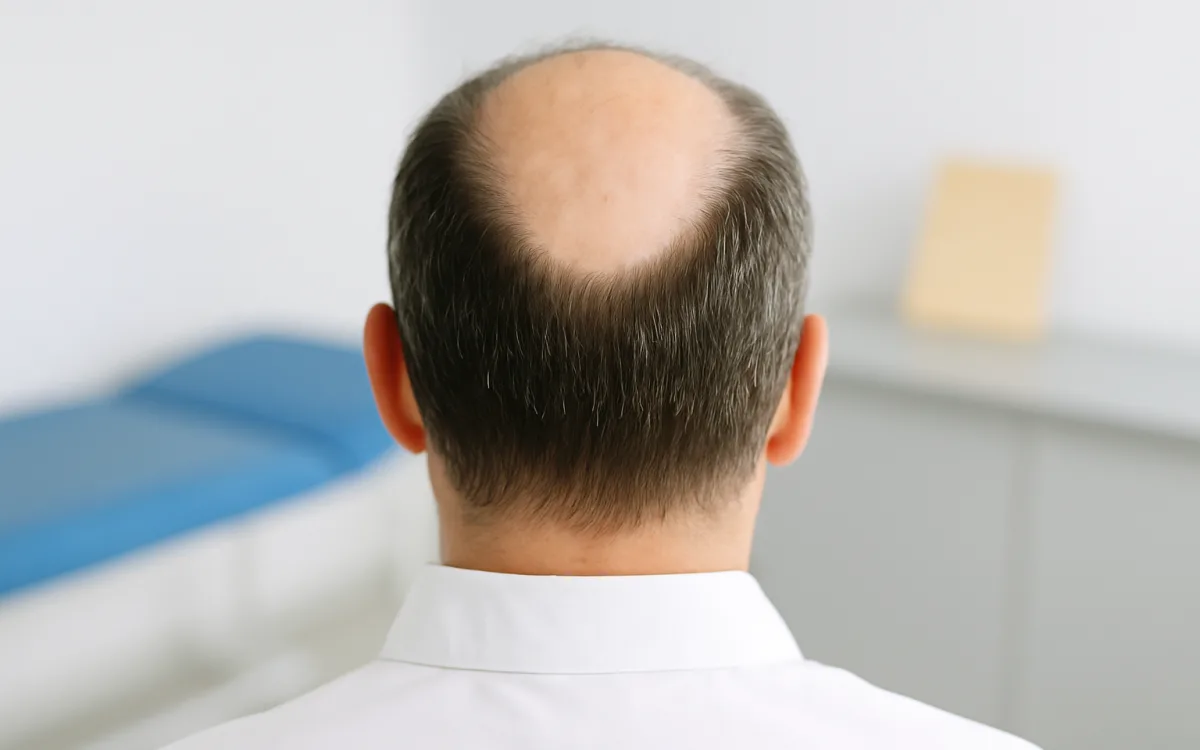
Hair Transplant in Turkey: What to Expect, Costs, and How to Choose

Turkey has become a global centre for affordable and high-quality hair transplant surgery, attracting thousands of international patients each year. But with hundreds of clinics and a wide range of packages, it can be difficult to separate real value from risky shortcuts.
This guide explains the full process of getting a hair transplant in Turkey — from understanding your hair loss and estimating graft needs, to what the trip looks like day by day, real cost ranges, and clear criteria for choosing a trustworthy clinic. It also sets out who should not rush into surgery and how to check if you’re truly ready.
Why Turkey Became a Global Hair Transplant Hub#
Turkey’s rise as a leading destination for hair transplant surgery is grounded in a combination of skilled surgeons, modern clinics, and competitive pricing. Cities like Istanbul, Ankara, and Izmir now host hundreds of hair transplant centres, many offering internationally recognised techniques such as FUE (Follicular Unit Extraction) and DHI (Direct Hair Implantation). Lower costs are made possible by lower overheads and a high volume of procedures, not necessarily by cutting medical corners. However, the sheer number of options means quality varies widely — which is why comparing clinics based on experience, safety standards, and transparency is essential.
What a Hair Transplant Involves — and When You Should Wait#
A hair transplant is a surgical procedure that moves hair follicles from a donor area (usually the back or sides of your scalp) to areas affected by hair loss. The most common techniques in Turkey are FUE and DHI; both are minimally invasive and require local anaesthesia. However, surgery is not right for everyone. If your hair loss is still rapidly progressing, you are under 25, or your expectations are unrealistic, waiting and seeking medical advice is often the safer path. Surgery cannot restore a full juvenile hairline or prevent future loss in untreated areas, and overharvesting the donor zone can cause permanent thinning. Honest assessment is crucial before proceeding.
- Under 25 or hair loss not stable? Surgery may be premature.
- Diffuse unpatterned hair loss is generally unsuitable for transplant.
- Medical conditions affecting healing (e.g., uncontrolled diabetes) can increase risks.
- Unrealistic expectations — a transplant cannot deliver unlimited density.
- Insufficient donor hair means results may not meet goals.
How Much Does a Hair Transplant Cost in Turkey?#
The cost of a hair transplant in Turkey varies based on clinic reputation, surgeon experience, technique, and total grafts needed. Prices are typically quoted in euros and often include airport transfers and hotel accommodation. Beware of suspiciously low offers — these may cut corners on hygiene, doctor involvement, or aftercare. Below is a breakdown of typical price ranges for different levels of hair loss and techniques.
| Type/Size | Graft Range | Typical Cost (€) |
|---|---|---|
| Minor recession | 1,000–1,500 | 1,600–2,200 |
| Moderate crown or frontal loss | 2,000–3,000 | 2,200–3,300 |
| Extensive coverage | 3,500–5,000 | 3,300–4,500 |
| DHI technique (premium) | 1,500–3,000 | 2,800–4,000 |
Prices can vary; always confirm what is included and that a qualified doctor will oversee your procedure.
What Does the Trip Look Like? Day-by-Day Timeline#
Most hair transplant trips to Turkey last 3–4 days, allowing time for consultation, surgery, and initial recovery. Clinics catering to international patients often organise transport and accommodation, but the details differ. Understanding the typical schedule helps set realistic expectations.
- Day 1: Arrival in Turkey, airport transfer, hotel check-in, and rest.
- Day 2: Clinic consultation, scalp assessment, hairline planning, and surgery (usually lasts 4–8 hours).
- Day 3: Initial follow-up, wound check, and instructions for aftercare. Some clinics offer a hair wash demonstration.
- Day 4: Optional second follow-up or rest before departure; return flight home.
You’ll need to plan for some downtime and avoid strenuous activity or sun exposure for the first week after your return.
Estimating Your Needs: Grafts, Donor Area, and Realistic Results#
The number of grafts you need depends on your pattern of hair loss, hair calibre, and goals for coverage. Most adults have 5,000–7,000 usable grafts in the permanent donor zone, but not all can be safely harvested in one session. Overharvesting risks visible thinning and unnatural results. Honest clinics will map your donor area and explain the trade-offs. Use the table below for a rough estimate, but only a proper assessment can give an accurate plan.
| Area Treated | Approx. Grafts Needed |
|---|---|
| Receding temples | 800–1,200 |
| Frontal zone | 1,200–2,000 |
| Midscalp | 1,000–1,800 |
| Crown | 1,000–2,000 |
| Full top (advanced loss) | 3,500–5,000 |
How to Choose a Reputable Clinic: The Four Essential Checks#
With hundreds of clinics offering hair transplant Turkey packages online, it is vital to separate genuinely reputable providers from those selling volume at the cost of standards. Relying solely on price or flashy marketing can lead to disappointment or long-term complications. Use these four checks before committing to any clinic:
- Doctor involvement: Will a qualified doctor design, supervise, and participate in your surgery?
- Clinic registration: Is the facility properly licensed and regularly inspected?
- Transparent communication: Are risks, limits, and expected outcomes explained in writing?
- Aftercare support: Is there a clear plan for remote follow-up and managing complications if you return home?
What to Expect During Recovery and the Months Ahead#
Initial recovery after a hair transplant in Turkey is usually straightforward, but patience is required for visible results. Swelling, redness, and minor scabbing are to be expected in the first week. Most patients return to work within 7–10 days, but transplanted hair will shed before gradually regrowing over 3–12 months. Final results take up to a year, depending on your biology and the technique used. Follow your clinic’s aftercare instructions closely, and keep realistic expectations — no surgery can restore the density of your teenage years.
If you experience severe pain, fever, or signs of infection after returning home, seek medical attention promptly.
Questions people ask
Is a hair transplant in Turkey safe for international patients?
Many Turkish clinics provide safe, high-quality hair transplants for international patients, but standards vary. Safety depends on the clinic’s medical oversight, hygiene protocols, and aftercare. Always check for proper licensing, verify that a qualified doctor is directly involved, and ensure clear communication about risks. Avoid clinics offering extremely low prices or vague promises. As with any surgery, complications are possible, so choose carefully and make sure you have support for recovery.
Can I get a guaranteed result from a hair transplant Turkey clinic?
No reputable clinic can guarantee a specific result. Hair transplant outcomes depend on factors such as your donor area, extent of hair loss, hair quality, and post-surgery care. Even with the best technique and surgeon, individual healing varies. Honest clinics will explain the limits in writing, avoid overpromising, and provide realistic photo examples. Be cautious of anyone guaranteeing density or a fixed number of hairs — these are not medically possible.
How do I know if I am a good candidate for hair transplant surgery?
A good candidate has stable hair loss, realistic expectations, and a healthy donor area. Men and women with pattern hair loss (androgenetic alopecia) respond best. If your hair loss is still progressing quickly, you are under 25, or you have certain medical conditions, surgery may not be recommended yet. A thorough assessment by a qualified doctor is essential before committing. Honest clinics will advise against surgery if you are unlikely to benefit.
hair transplant TurkeyTurkey hair transplant costbest hair transplant clinics TurkeyFUE hair transplant Turkeyhair transplant recovery Turkeyhow many grafts do I need