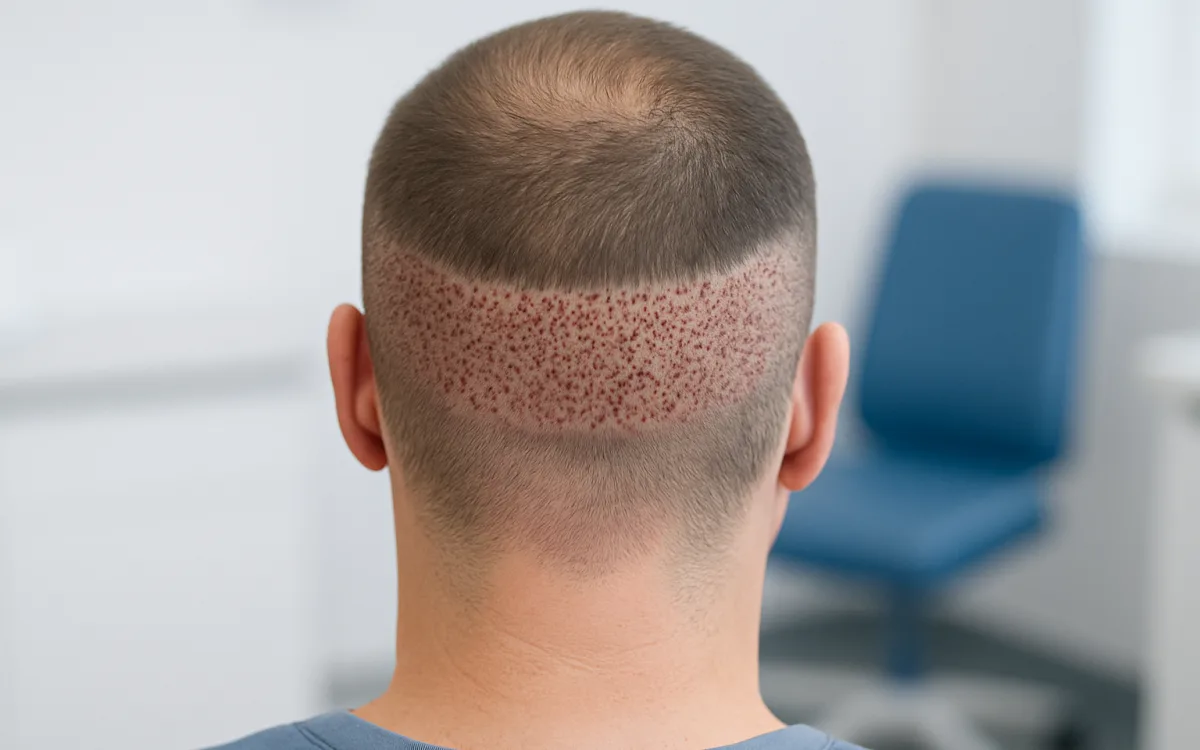
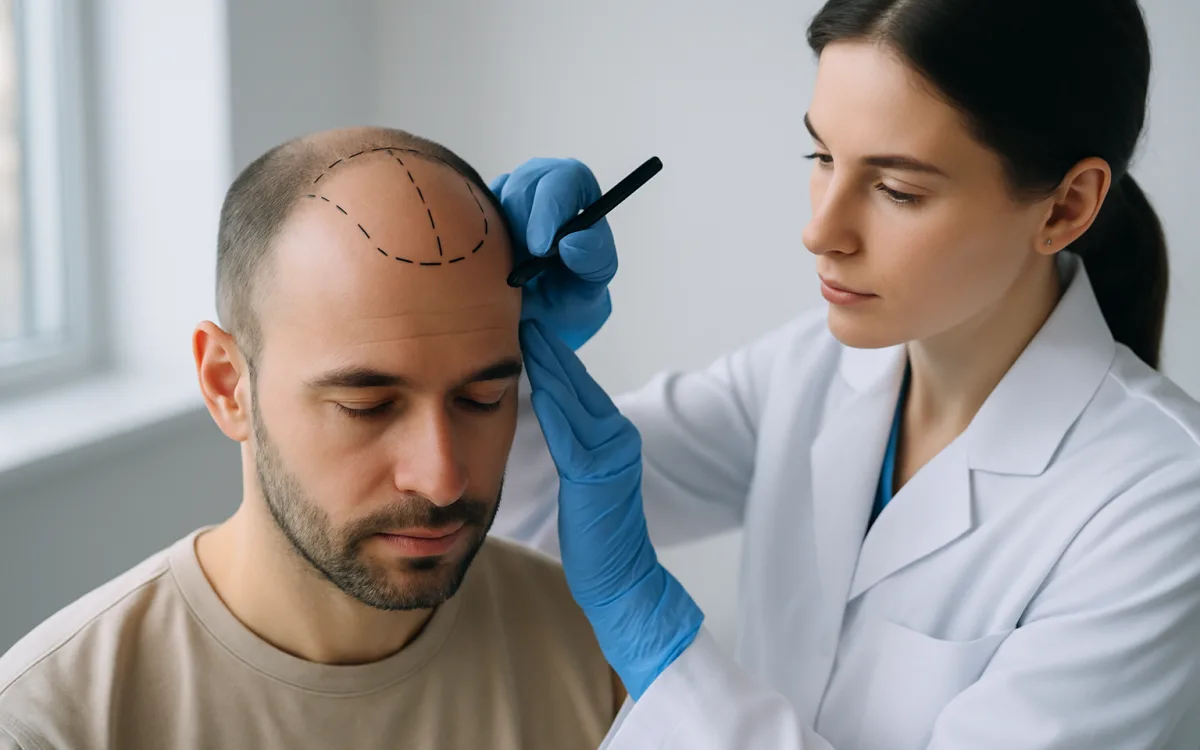
Hairline Design and Age: The Key to Natural Hair Transplants
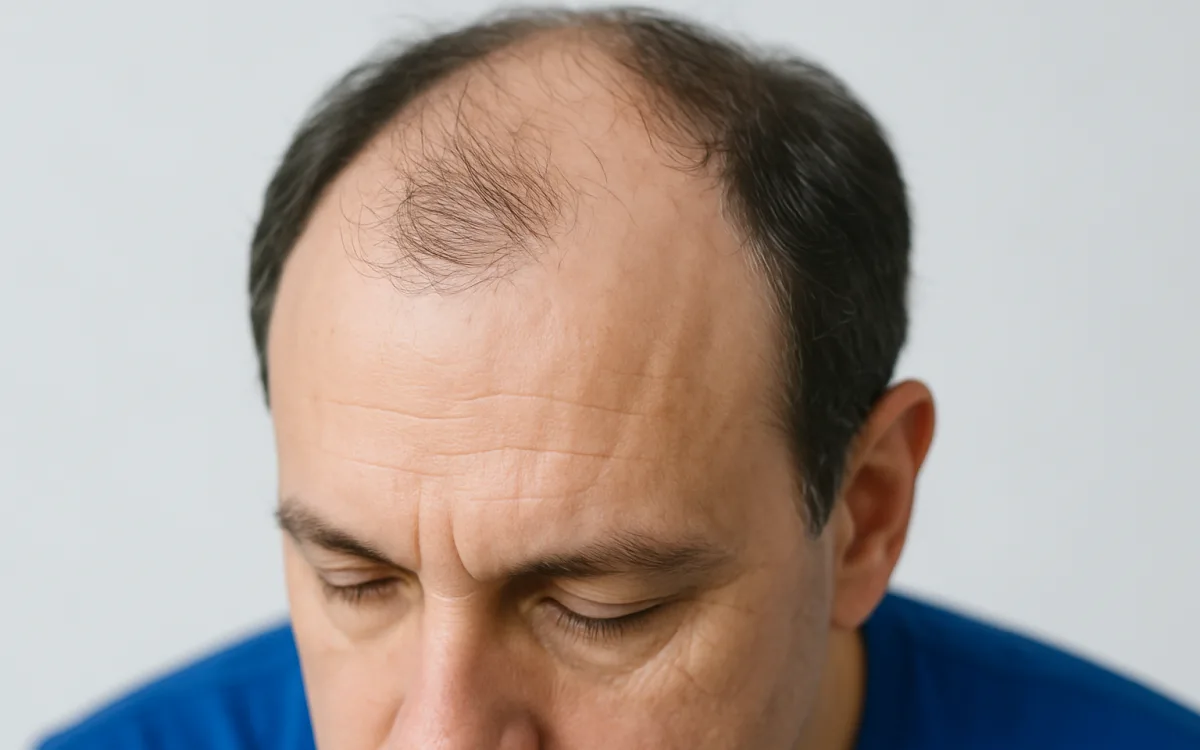
A successful hair transplant in Turkey is not just about gaining hair—it’s about creating a hairline that looks authentic for years to come. The line where your hair meets your forehead is the single most important design decision in any hair restoration, yet it’s often misunderstood.
Many patients hope for a youthful, low hairline, but experienced surgeons know that a mature, well-placed hairline is essential to avoid unnatural results as you age. This guide explains how a hairline is measured, why “lower” isn’t always better, and how subtle irregularities in design can make all the difference between a result that turns heads and one that quietly fits your face.
How Mature Hairlines Are Measured#
A mature hairline is typically positioned higher than the juvenile hairline most people have in their teens. To estimate where a natural, adult hairline should sit, surgeons often use measurements from fixed points like the glabella (the area between the eyebrows) upwards, usually 7–9 cm, depending on facial proportions. The hairline is also assessed in relation to the temples and the natural recession that occurs with age. This approach helps ensure your hairline matches your current age—and will continue to look appropriate as you get older.
Why Low, Straight Hairlines Age Poorly#
Requesting a low, flat hairline is a common mistake. While it may look appealing initially, this style often appears artificial within a few years as the rest of your hair continues to thin. A low hairline can also use up too many grafts, leaving fewer resources for future procedures if your hair loss progresses. In contrast, a slightly higher, gently receding hairline is in harmony with natural ageing patterns and conserves grafts for long-term planning.
Patients under 25 or with unstable hair loss patterns are rarely suitable for a low hairline design.
The Role of Temple Angles and Recession#
The shape of your temples and the degree of recession at the corners are vital for a believable result. Natural hairlines rarely form a straight line; instead, they angle slightly back at the temples, creating an M-shape or subtle curve. Overly aggressive restoration of the temple points can look artificial and draw attention to the transplant. Many clinics in Turkey excel at creating temple angles that blend with your existing hair, but the decision on how much to restore should be based on your age, family history, and available donor hair.
- Temple angles should not be sharply defined in most adult men.
- A natural recession is more age-appropriate after 30.
- Overfilling the temples uses many grafts with little visual benefit.
- The temple area is prone to future thinning, so conservative planning is wise.
Single-Hair Zones for Natural Appearance#
The very front of the hairline—the transition zone—should be made up of single-hair grafts. This mimics the natural feathered edge of a real hairline, where thick clusters are rare. Behind this, two- and three-hair grafts are used to create density. Surgeons in Turkey typically use either FUE (Follicular Unit Extraction) or DHI (Direct Hair Implantation) methods to select and place grafts, but the key is careful sorting and placement.
| Zone | Graft Type | Purpose |
|---|---|---|
| Frontal edge | Single-hair grafts | Soft, realistic transition |
| 1 cm behind | Two-hair grafts | Gradual density increase |
| Central density | Three-hair grafts | Volume and coverage |
Patient Expectations vs. Surgical Planning#
Patients often hope for the hairline they had at 18, but this is rarely the best choice for long-term satisfaction. Ethical clinics will advise a more conservative, age-appropriate design. Factors such as ongoing hair loss, donor area limitations, and future procedures must be considered in every plan. An experienced Turkish surgeon will balance your wishes with what is possible and sustainable, sometimes recommending a higher hairline than you expect.
- Stable hair loss patterns are needed for low hairlines.
- Family history can predict future recession.
- Donor area limits how dense or low the hairline can be.
- Honest clinics will suggest conservative placement.
- Patience is key; rushing can lead to regret.
How Irregularity Creates a Realistic Hairline#
A natural hairline is not a ruler-straight edge. Subtle irregularities—small peaks and valleys—mimic the natural variation found in untransplanted hair. Skilled surgeons in Turkey use micro-angles and staggered placement to break up the outline, avoiding a “picket fence” effect. The result is a softer, more authentic transition from forehead to hair.
| Technique | Effect | Common Tools |
|---|---|---|
| Micro-irregularity | Mimics natural hairline | Fine forceps, magnification |
| Randomised spacing | Prevents straight lines | Implanter pens |
| Variable angles | Natural feathering | Slit blades, custom needles |
Checking Your Clinic’s Approach to Hairline Design#
Before committing to a hair transplant Turkey, ask for examples of previous hairline work—ideally both recent and several years old. Ethical clinics will show a range of mature hairline designs, not just youthful, low results. Ask about their method for measuring and planning your hairline, and whether they use single-hair grafts at the front. If you feel pressured to choose a lower hairline, consider seeking a second opinion.
- Request pre- and post-op photos of similar cases.
- Ask how your age and facial shape influence their plan.
- Check if they use single-hair grafts in the front row.
- Discuss future hair loss and donor management.
- Be wary of clinics that promise a “youthful” look for everyone.
Questions people ask
How is my ideal hairline position determined in a Turkish hair transplant?
A surgeon typically measures the distance from the mid-point between your eyebrows (glabella) upwards, usually 7–9 cm, and considers your age, facial proportions, and hair loss pattern. A mature hairline is positioned higher than a teenage hairline, ensuring it will look natural as you age and that donor resources are preserved for possible future procedures.
Why shouldn’t I request a low, straight hairline like I had at 18?
A low, straight hairline often looks unnatural as you age and as non-transplanted hair continues to thin. It also consumes a large amount of grafts, which can compromise results if you need further transplants later. A higher, gently receded hairline is more age-appropriate and sustainable in the long term.
What makes a hairline look natural after a hair transplant in Turkey?
Natural-looking hairlines are designed with subtle irregularities, use single-hair grafts at the very front, and have temple angles that reflect your age and facial features. Experienced clinics focus on blending the hairline with your existing hair, avoiding straight lines and dense clustering at the edges, to achieve a soft, realistic appearance.
hair transplant Turkeynatural hairline designmature hairline positionhair transplant planninghairline graft typeschoosing a hair transplant clinic