How Many Grafts Do I Need? An Honest Guide for Hair Transplants in Turkey
If you are considering a hair transplant in Turkey, one of the first questions you will face is how many grafts you actually need. The answer is more complex than simply matching your hair loss pattern to a number, and honest planning is crucial for a natural, long-lasting result.
This guide explains what a hair graft is, how it differs from counting individual hairs, how surgeons estimate graft numbers, and why the same stage of hair loss can require quite different approaches for different people. We will also discuss the limits of your donor area, why very large sessions are not always better, and how to use graft calculators and clinic advice wisely.
What Is a Graft? Grafts Versus Hairs Explained#
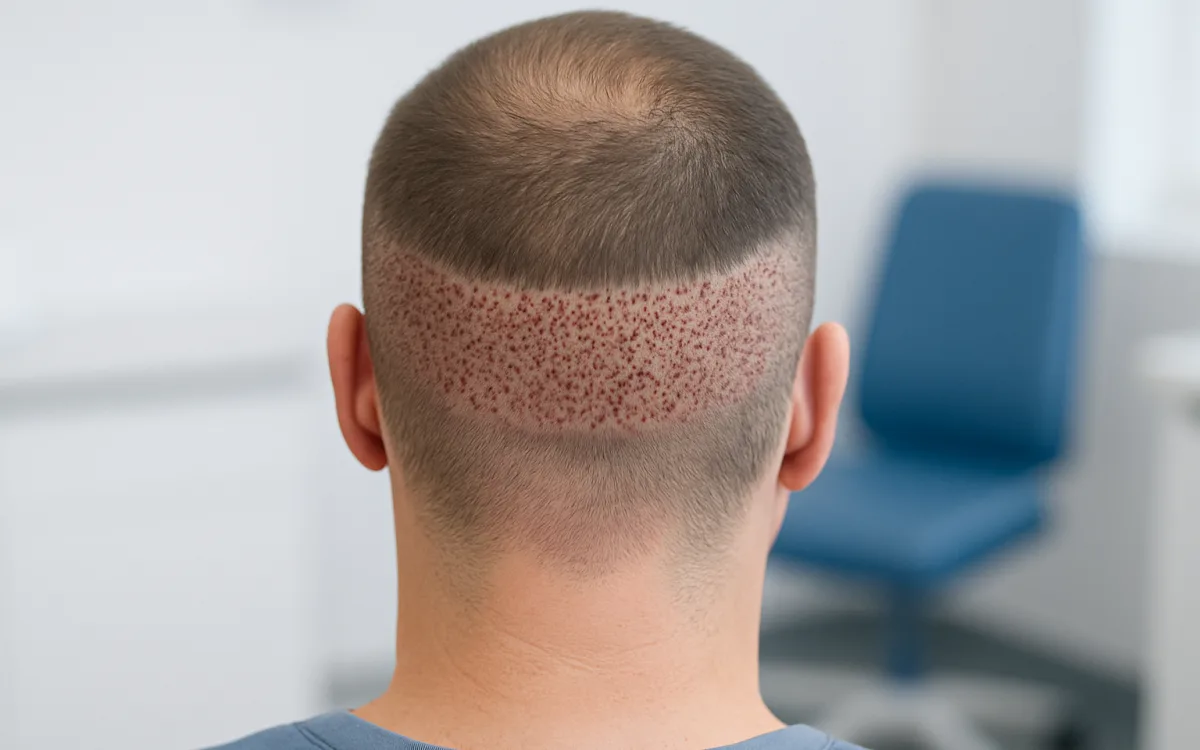
A graft is a small unit of skin containing one to four hair follicles, removed from the donor area (usually the back or sides of your scalp) and transplanted to a thinning or bald area. The number of hairs in each graft varies from person to person. For example, one graft might contain two or three hairs, but some may have just one. It’s important not to confuse grafts with hairs: 2,000 grafts might mean 4,000 hairs for one patient, but only 2,500 for another. When clinics quote prices or estimate coverage, they almost always refer to grafts, not hairs. This distinction is essential for proper planning and honest expectation management.
Estimating Graft Requirements by Norwood Stage#
| Norwood Stage | Area Affected | Typical Graft Range |
|---|---|---|
| II | Mild hairline recession | 800–1,200 |
| III | Deepening temples | 1,500–2,200 |
| IV | Frontal & vertex thinning | 2,200–3,000 |
| V | Bridges lost between zones | 2,800–3,600 |
| VI | Extensive top loss | 3,500–4,500 |
| VII | Only rim remains | 4,000–6,000 (rarely possible) |
These ranges are estimates; individual scalp area, hair thickness, and density goals can significantly change graft numbers.
Why Two People with the Same Norwood Stage Need Different Graft Numbers#
A Norwood classification is just a starting point. Surgeons must also consider your unique hair and scalp characteristics. For example, someone with thick, wavy, dark-blonde hair and a pale scalp may need fewer grafts for good coverage than a person with fine, straight, dark hair and pale skin. Honest clinics will assess all these factors before providing a number.
- Scalp Size: A larger head means more area to cover for the same pattern.
- Hair Calibre: Thicker hair shafts give better coverage per graft.
- Hair Colour and Skin Contrast: Less contrast disguises thinning better.
- Donor Density: More abundant donor hair allows for more grafts if needed.
- Desired Density: Some prefer a fuller look, others accept lower density.
Area Measurement and Density: What Can Be Achieved?#
Scalp area for transplantation is typically measured in square centimetres. Natural hair density varies from 60 to 100 follicular units per cm², but most surgeons aim for 30–50 grafts/cm² in a transplant. Trying to match your teenage density is usually unrealistic, especially if you have extensive loss or limited donor supply. It’s common to create higher density at the hairline and gradually lower it towards the crown. Accurate area measurement and density planning help avoid overharvesting the donor area, which can lead to visible thinning at the back and sides.
Why Mega-Sessions (Very Large Graft Numbers) Are a Red Flag#
- Donor Area Depletion: Overharvesting can cause permanent thinning or scarring.
- Survival Rate Drops: Too many grafts in one session can lower survival rates.
- Longer Surgery = Higher Risk: Extended surgery time increases infection and complication risks.
- Quality Control Is Harder: High-volume clinics may rush or delegate key steps.
- Natural Look at Risk: Pushing for maximum grafts can lead to unnatural hairlines.
If a clinic offers 5,000+ grafts in a single day for most patients, this is usually a warning sign rather than an advantage.
How Honest Clinics Estimate Grafts and Costs#
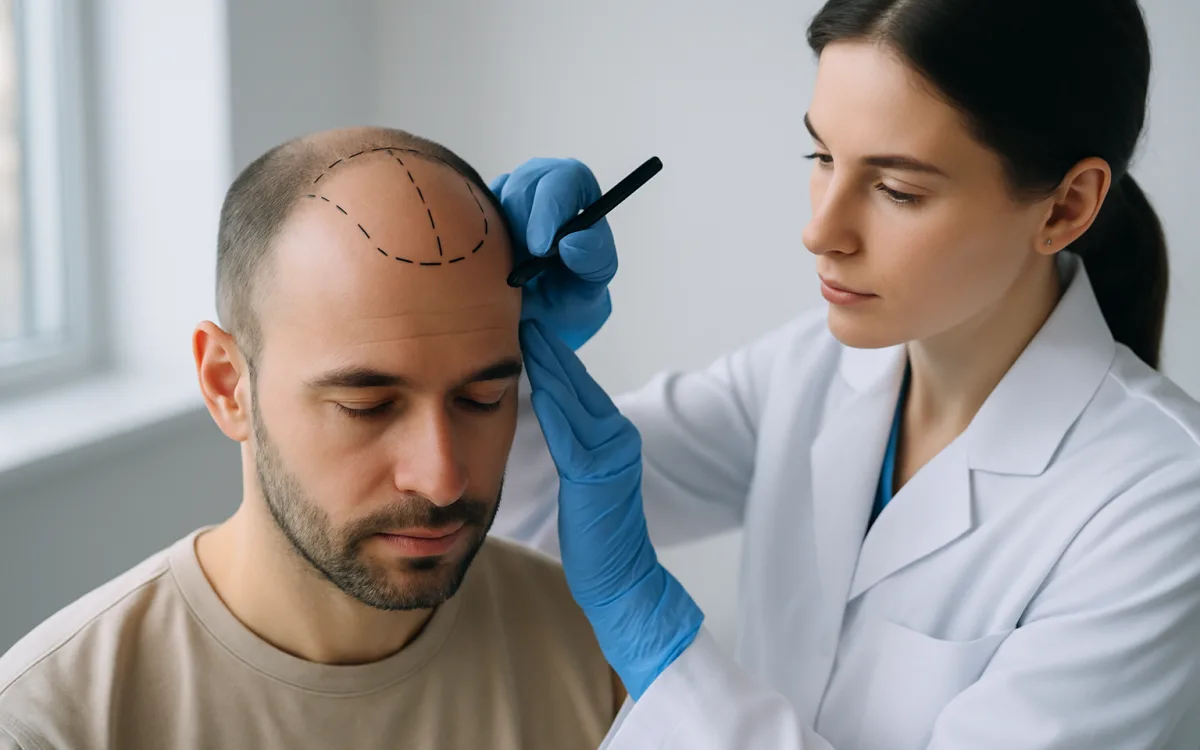
Serious clinics in the Turkish hair transplant sector use a combination of your Norwood stage, scalp area measurements, and donor analysis (via photos or in-person assessment) to estimate your graft needs. They should provide a breakdown of the zones to be covered and explain donor limitations. Costs in Turkey typically range from €1,800 to €4,500 depending on technique (FUE, DHI, etc.), surgeon experience, and clinic standards. Beware of clinics that quote a flat price without reviewing your details, as this often means a one-size-fits-all approach that rarely delivers optimal results.
- Insist on a personalised assessment, not just a graft calculator.
- Request a written plan for graft distribution and donor management.
- Be wary of offers based on unlimited grafts or guaranteed results.
When a Hair Transplant Might Not Be Right (Yet)#
Not everyone is a candidate for surgery right now. Young patients with early loss may see their hairline continue to recede, making early transplants risky. Those with very limited donor supply, diffuse unpatterned thinning, or unrealistic expectations may not benefit from surgery. Honest clinics will explain these limitations, discuss non-surgical options, and help you avoid surgery that could leave you worse off. Always seek independent advice before committing.
Questions people ask
Can I choose how many grafts I want transplanted?
While you can express your goals, the number of grafts transplanted depends on your hair loss pattern, donor area quality, and what is safe to harvest. Surgeons tailor the plan to your needs and limitations; pushing for a higher number than recommended can lead to poor results or donor area damage. Trust the assessment based on your scalp, not a fixed number.
How accurate are online graft calculators?
Online calculators can give a rough estimate, but they often cannot account for individual factors like hair thickness, scalp size, and donor density. They are best used as a starting point, not a final answer. Only a thorough review by a qualified clinic—ideally with good photos or an in-person assessment—can provide a reliable graft estimate.
What happens if I don’t have enough donor hair for the grafts I need?
If your donor area is limited, a surgeon will usually prioritise the most visible areas (such as the hairline) and may suggest a lower target density or alternative hair restoration options. Trying to exceed your donor capacity risks permanent thinning and poor results. Honest clinics will help you understand your limits and discuss realistic outcomes.
hair transplant Turkeyhow many grafts do I needhair transplant graft calculatorhair transplant Norwood scaleFUE hair transplant Turkeyhair transplant cost Turkey