Hair Growth Timeline Planner
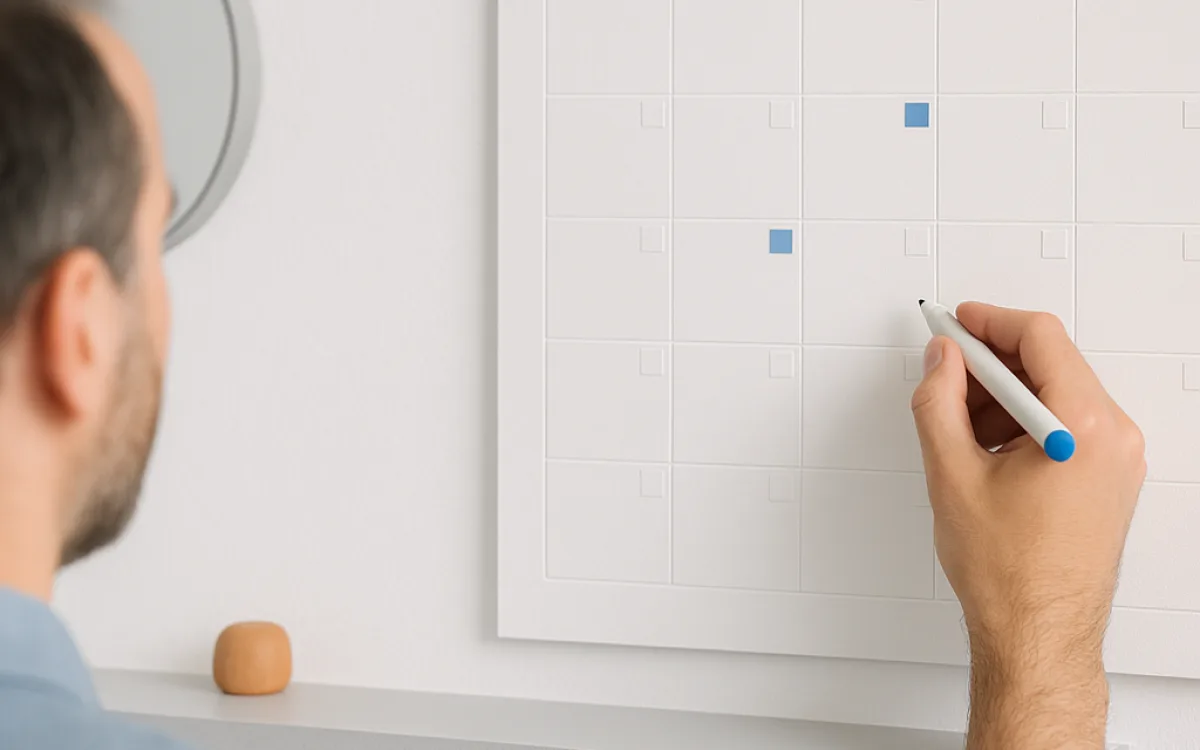
Put in your procedure date and the tool turns it into a calendar: first wash, scabs, shock loss, the long quiet months, and when the result is actually final.
Hair Growth Timeline Planner
Put in your procedure date and the tool turns it into a calendar: first wash, scabs, shock loss, the long quiet months, and when the result is actually final.
A typical schedule, not a promise. Growth speed varies between people and between areas of the same scalp.
How to read the result
- Shock loss around week four is expected, not a failure. The transplanted hairs fall out; the follicles stay and regrow.
- Months two to four are the hardest part psychologically — you look worse than before. Everyone goes through it and almost nobody is warned about it.
- The crown lags behind the hairline by two to three months. If your crown was treated, judge the result at eighteen months rather than twelve.
Frequently asked questions
When will I see the result of a hair transplant?
Almost nothing for three months, then steady change. The transplanted hairs shed around week three or four, the follicles rest, and new growth begins somewhere between month three and month four. By month six you have roughly half the final density, by month nine around 80 per cent, and twelve months is the conventional point for judging a hairline. Crown work runs two to three months behind the front, so if your crown was treated the honest review date is closer to eighteen months.
Is shock loss normal after a hair transplant?
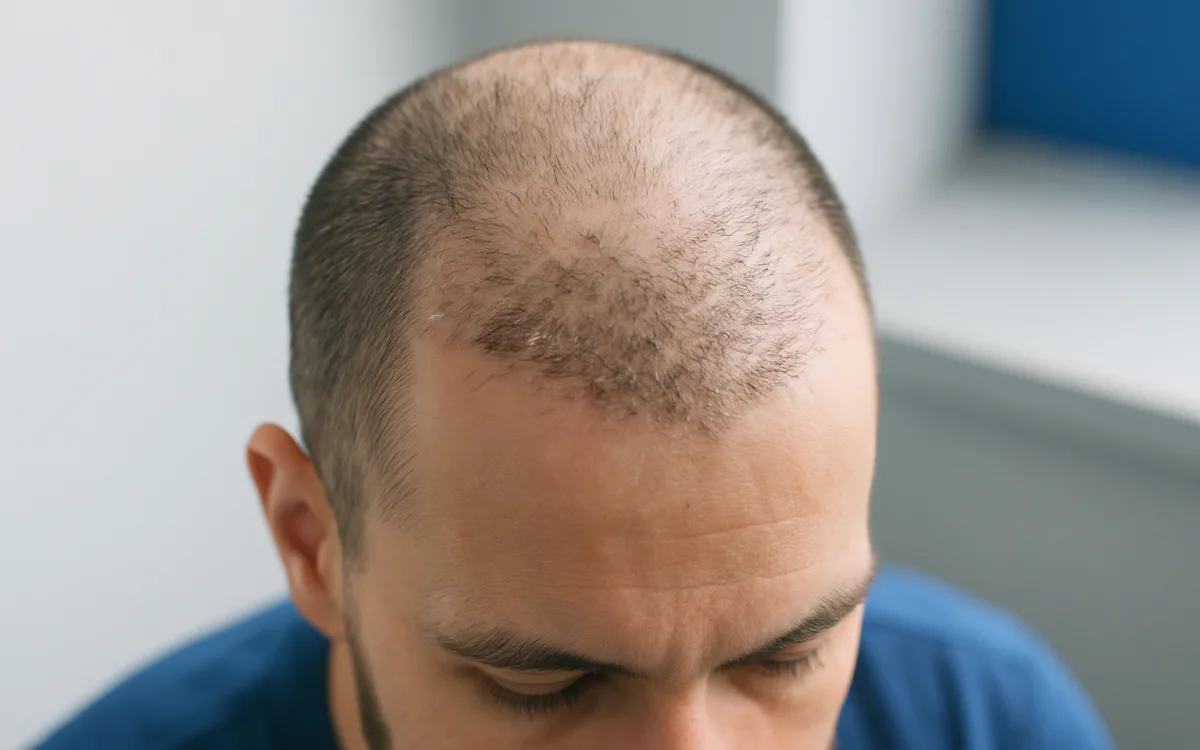
Yes, and it happens to nearly everyone. The transplanted hair falls out in the first month because the follicle, having been moved, drops into a resting phase; the follicle itself stays where it was placed and regrows from it. Some people also shed existing native hair around the recipient area, which is temporary in the great majority of cases and recovers over the following months. It is alarming precisely because so few people are warned about it in advance.
When can I go back to work and to the gym?
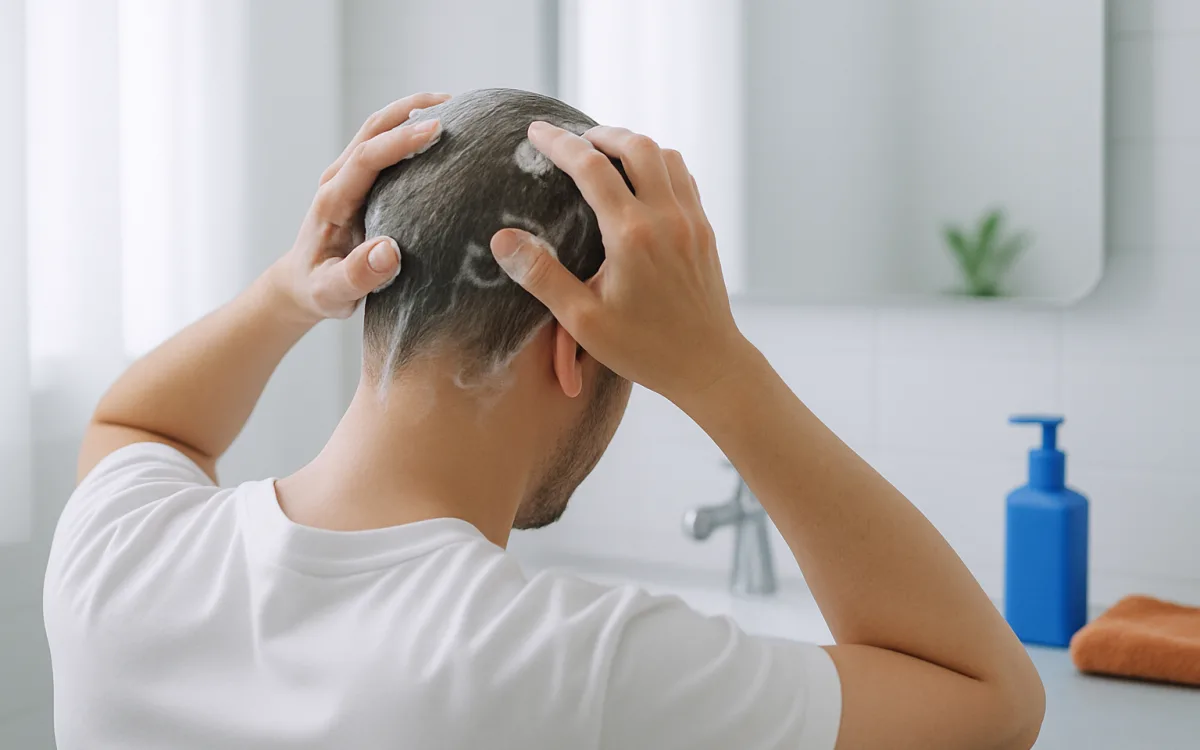
Desk work at around three to five days if you are comfortable being seen with a visible recipient area, and most people take seven to ten days if they would rather not explain it. Light exercise usually resumes after two weeks, heavy lifting and anything that involves sweating heavily at three to four weeks, and swimming pools, saunas and direct sun at four weeks or later. Contact sports and anything that risks a knock to the head should wait a full month. Your clinic's written aftercare takes precedence over any general schedule.
Related guides

Hair Transplant Recovery Timeline: Honest Milestones After Surgery in Turkey
Get a real month-by-month hair transplant recovery timeline, including setbacks, return to work, and what warning signs to watch for.
Shock Loss After a Hair Transplant: What to Expect and When to Worry
Understand shock loss after a hair transplant in Turkey: what’s normal, when it’s a concern, and how to spot differences in hair shedding.
Hair Transplant Aftercare: The First Month and Beyond
A clear guide to aftercare following hair transplant in Turkey, including washing, medication, sun, swimming, and protecting native hair.
Why ask us for the quote
- One enquiry, quotes from several vetted clinics — you compare, nobody pressures you.
- We ask for the information a clinic needs to quote: no photo upload, no medical files.
- Every clinic on our list holds a Turkish Ministry of Health licence and treats international patients.
- You keep your language: we pass on which of the 12 languages you want to be answered in.
- No fee to you, ever. Clinics pay us, and that is written on this page rather than hidden.
- We are not a clinic and never treat anyone — so we have no reason to talk you into surgery.