Donor Area Capacity Estimator
Your donor area is a fixed budget you spend once. This estimates roughly how many grafts it can give across your lifetime, and how much is left after any previous session.
Donor Area Capacity Estimator
Your donor area is a fixed budget you spend once. This estimates roughly how many grafts it can give across your lifetime, and how much is left after any previous session.
A rough budget from published averages. Real donor capacity is measured with a densitometer during an examination.
How to read the result
- The donor area does not regrow what it gives. Every graft taken is permanently gone from the back of your head — which is why a plan that ignores the budget is only planning one session.
- Overharvesting is the one complication that cannot really be undone. A donor area that looks moth-eaten in a short haircut is the result of taking too much, too fast.
- Beard and body hair can extend the budget for density behind the hairline, but they are coarser and behave differently, so they are rarely used at the front.
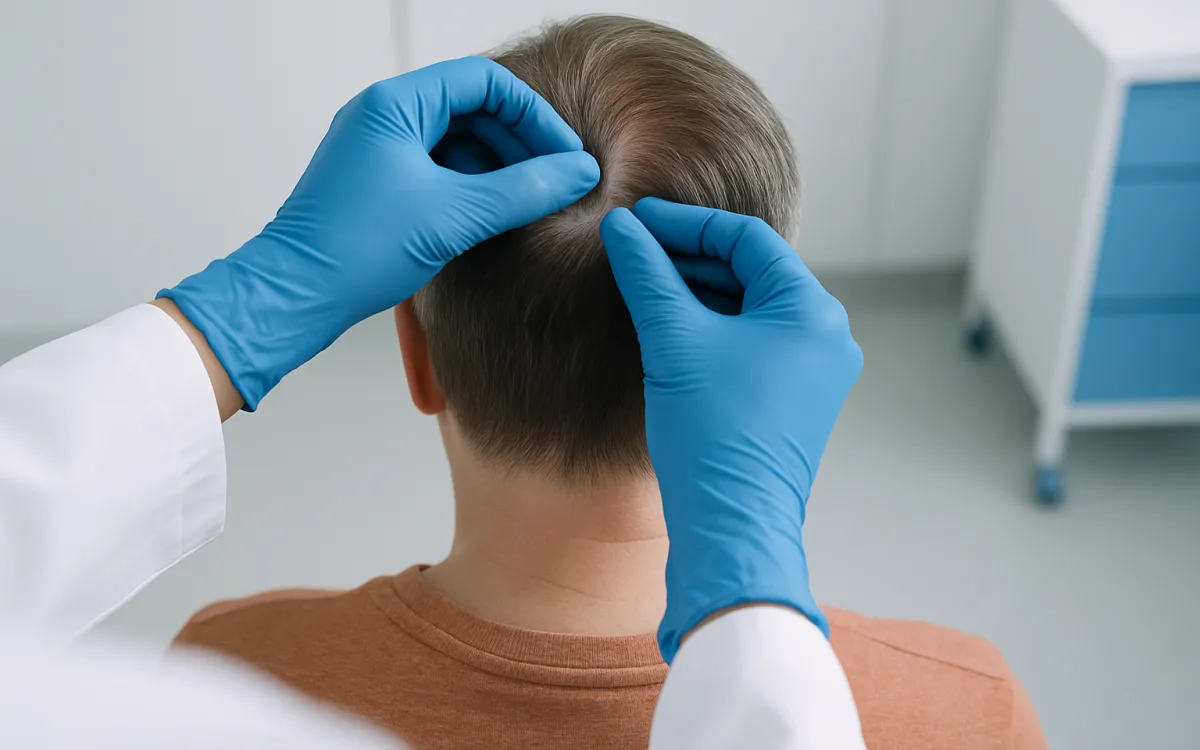
Frequently asked questions
How many grafts can a donor area give in total?
For an average scalp, somewhere between 5,000 and 7,000 follicular units across a lifetime, taken over one to three sessions. A dense, wide donor band with coarse hair can reach 8,000 or more; a narrow band with fine hair may not safely give 4,000. The limit is not how many follicles exist but how many can be removed while the area still looks natural at a short haircut — extraction thins the donor as well as the recipient, and the thinning is permanent.
What happens if the donor area is overharvested?
The back and sides look visibly thin or patchy, especially in bright light or with short hair, and there is no reliable way to reverse it. Beard or body hair can be used to camouflage a damaged donor to some extent, and scalp micropigmentation can help visually, but neither restores what was taken. This is the strongest argument for treating the donor as a budget: a clinic that maximises grafts in one session may be spending everything you will ever have, at an age when your hair loss has not finished progressing.
Can beard or body hair be used as donor hair?
Yes, and beard hair in particular is genuinely useful. It is coarser than scalp hair and grows in a different cycle, which makes it excellent for adding bulk to the mid-scalp and crown or for camouflaging scars, and poor for building a natural hairline where fine single hairs are needed. Chest and body hair have lower survival rates and shorter growth cycles, so they are used more sparingly. Both are supplements to a scalp donor, not replacements for one.
Related guides
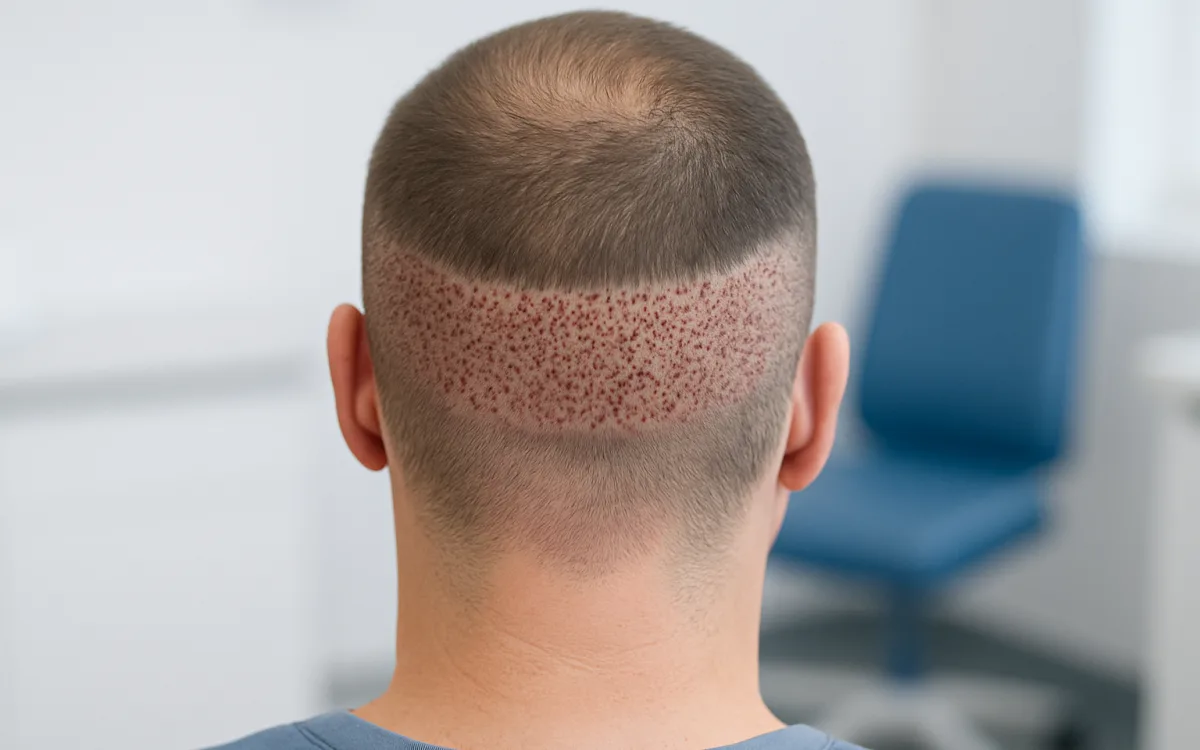
Your Donor Area Is a Budget You Spend Once: Understanding Limits
Learn how your donor area sets the true limit for hair transplant results, how to avoid overharvesting, and what to expect in Turkey.
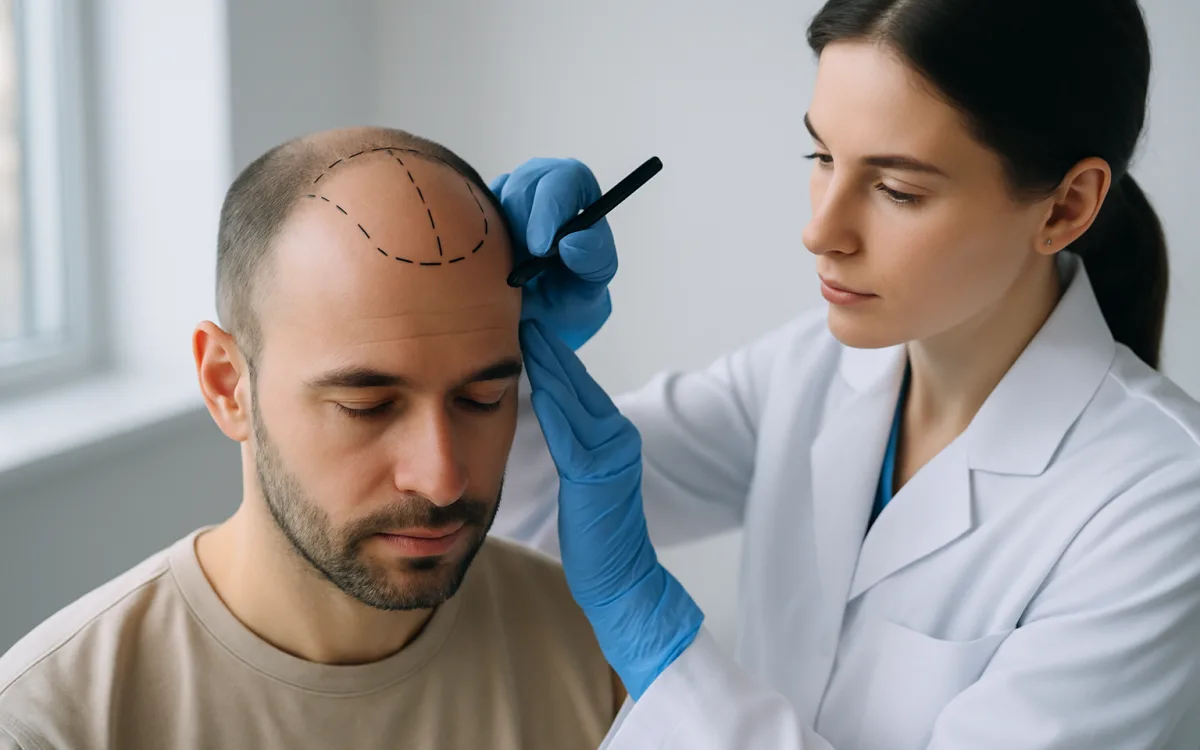
How Many Grafts Do I Need? An Honest Guide for Hair Transplants in Turkey
Learn how to estimate graft numbers for your hair transplant in Turkey. Includes Norwood stage table, grafts vs hairs, and key planning advice.
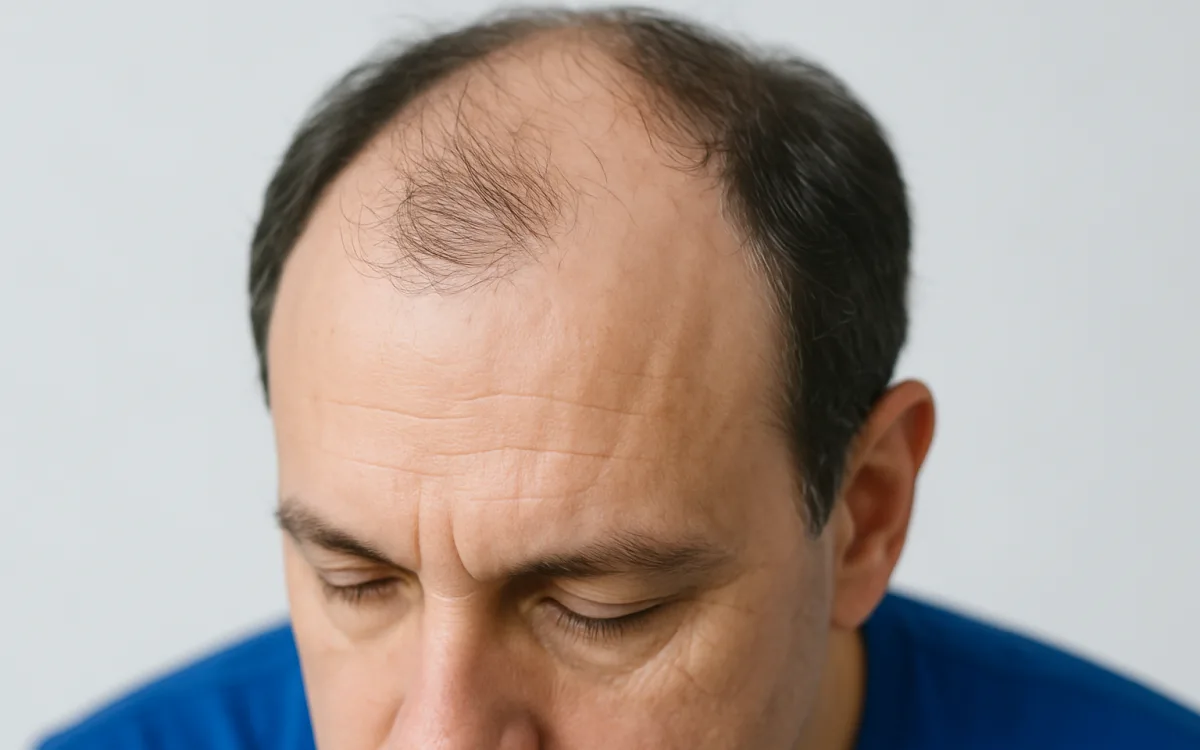
Hairline Design and Age: The Key to Natural Hair Transplants
Understand why mature hairline design matters for lasting, natural-looking hair transplant results and how to assess your options.
Why ask us for the quote
- One enquiry, quotes from several vetted clinics — you compare, nobody pressures you.
- We ask for the information a clinic needs to quote: no photo upload, no medical files.
- Every clinic on our list holds a Turkish Ministry of Health licence and treats international patients.
- You keep your language: we pass on which of the 12 languages you want to be answered in.
- No fee to you, ever. Clinics pay us, and that is written on this page rather than hidden.
- We are not a clinic and never treat anyone — so we have no reason to talk you into surgery.