Norwood Scale Self-Assessment
Five questions about your hairline, crown and how fast things are moving, and the tool places you on the Norwood scale — the same scale every clinic will use when they quote you.
Norwood Scale Self-Assessment
Five questions about your hairline, crown and how fast things are moving, and the tool places you on the Norwood scale — the same scale every clinic will use when they quote you.
A self-assessment, not a diagnosis. Sudden or patchy loss, loss in women and loss with itching or scaling need a dermatologist rather than a scale.
How to read the result
- The scale describes a pattern, not a prognosis. Where you are matters less than how fast you got there.
- Under 25 and moving fast is the classic case for stabilising the loss with medication before any surgery is planned.
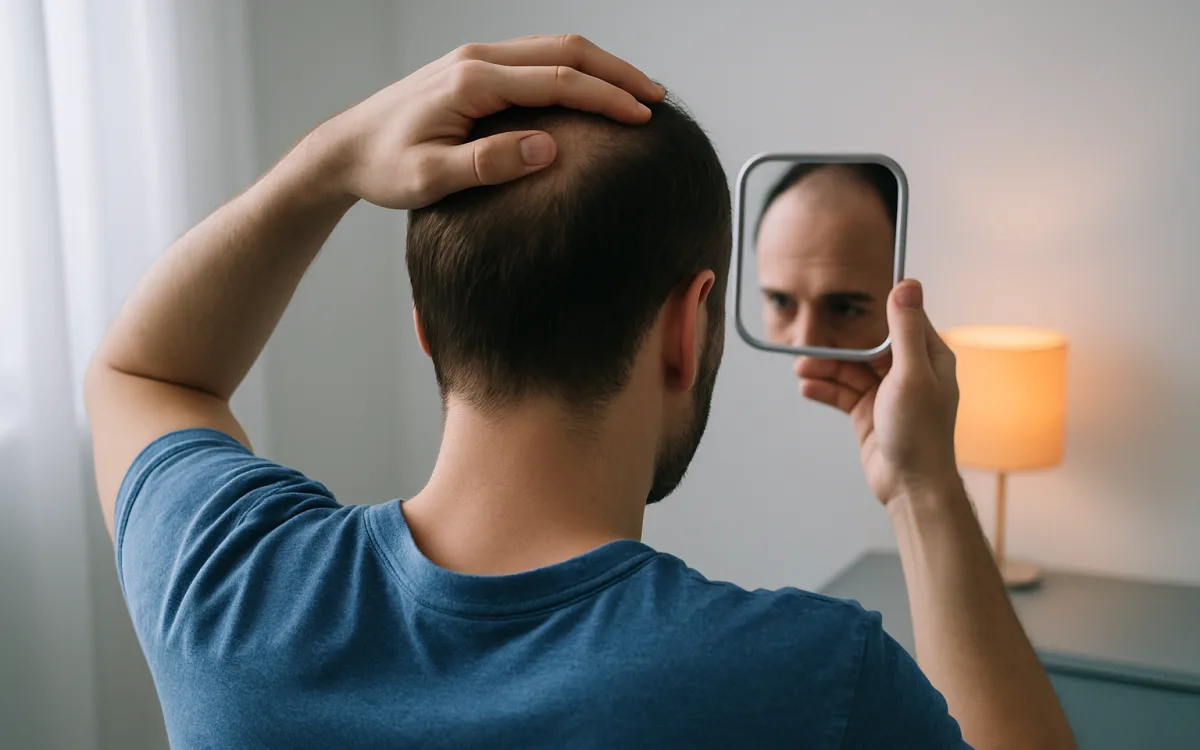
- Take a photo in the same light every three months. It is far more reliable than your memory and it is what a good clinic will ask for.
Frequently asked questions
What is the Norwood scale?
It is the seven-stage classification of male pattern hair loss published by O'Tar Norwood in 1975, building on earlier work by James Hamilton — which is why you sometimes see it called the Hamilton-Norwood scale. Stage 1 is an unchanged adolescent hairline and stage 7 is the horseshoe of hair around the sides and back. It is a description of a pattern, not a measure of severity or of how fast you are losing hair, and every clinic uses it as shorthand when planning grafts.
Should I have a transplant at Norwood 2?
Usually not yet. A slightly receded temple is a normal mature hairline for a large proportion of adult men, and a transplant placed in front of a hairline that is still moving leaves an island of transplanted hair with a new gap behind it a few years later. The standard advice at this stage is to stabilise the loss medically, photograph it every three months, and revisit surgery once the pattern has held still for a year or two. A clinic willing to operate immediately at Norwood 2 without discussing stabilisation is not planning for your thirties.
Does the Norwood scale apply to women?
No. Female pattern hair loss usually spreads diffusely across the top of the scalp while the frontal hairline is preserved, and it is described with the Ludwig scale instead. Women also have a much wider range of underlying causes — thyroid disease, iron deficiency, hormonal changes, telogen effluvium after illness or childbirth — which means the first step is a diagnosis from a dermatologist, not a graft estimate. Transplants for women are possible and can work very well, but only once the cause is known and the loss is stable.
Related guides
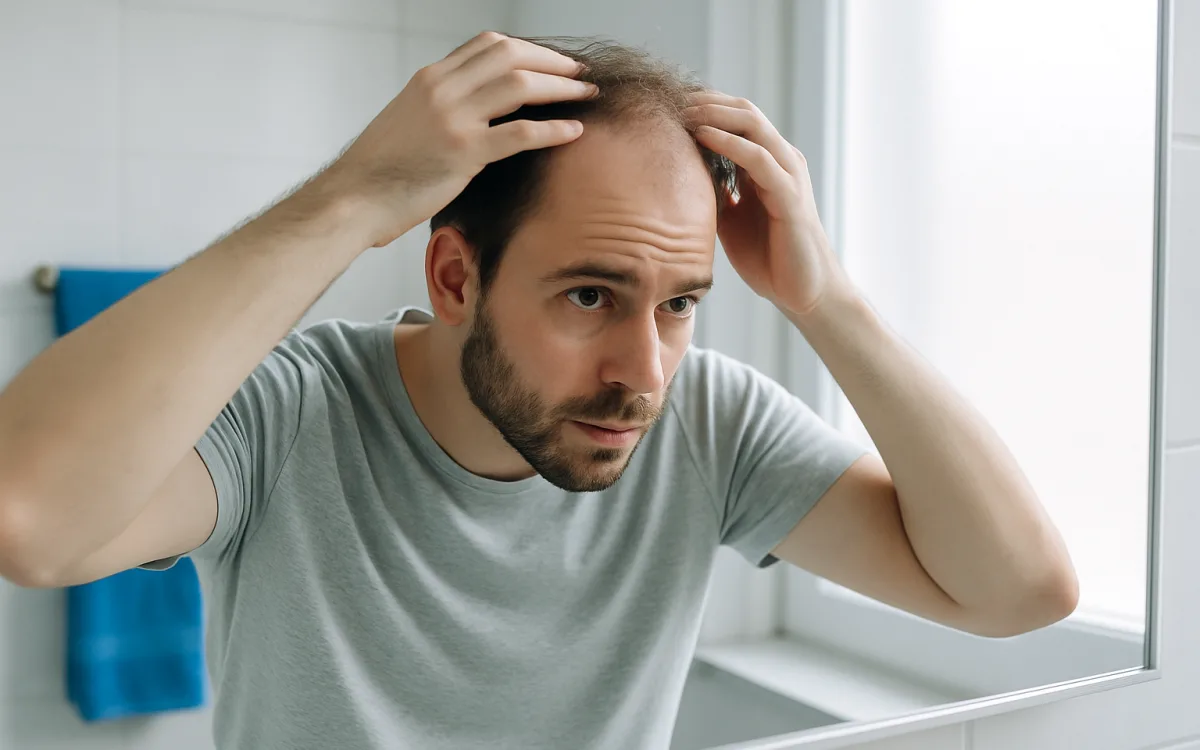
The Norwood Scale Explained Stage by Stage: Hair Loss Patterns and Graft Needs
Understand each Norwood Scale stage, compare your hair loss, estimate graft needs, and learn what’s realistic for hair transplant Turkey options.
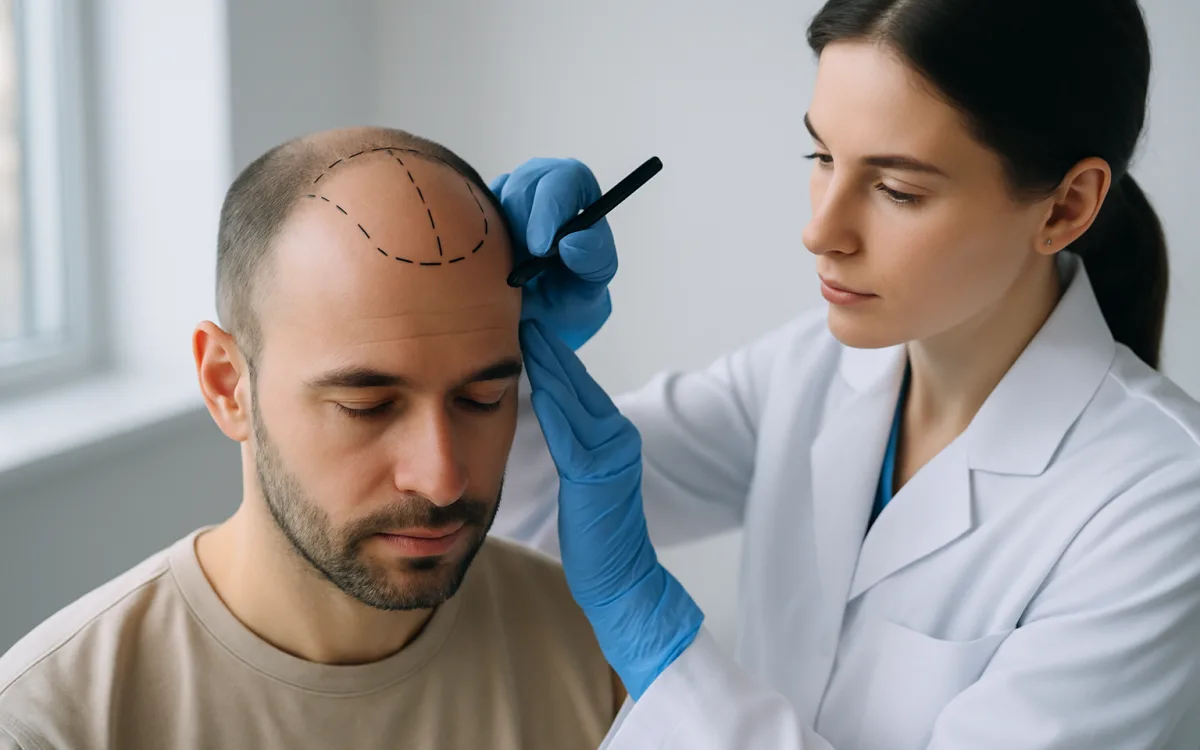
How Many Grafts Do I Need? An Honest Guide for Hair Transplants in Turkey
Learn how to estimate graft numbers for your hair transplant in Turkey. Includes Norwood stage table, grafts vs hairs, and key planning advice.
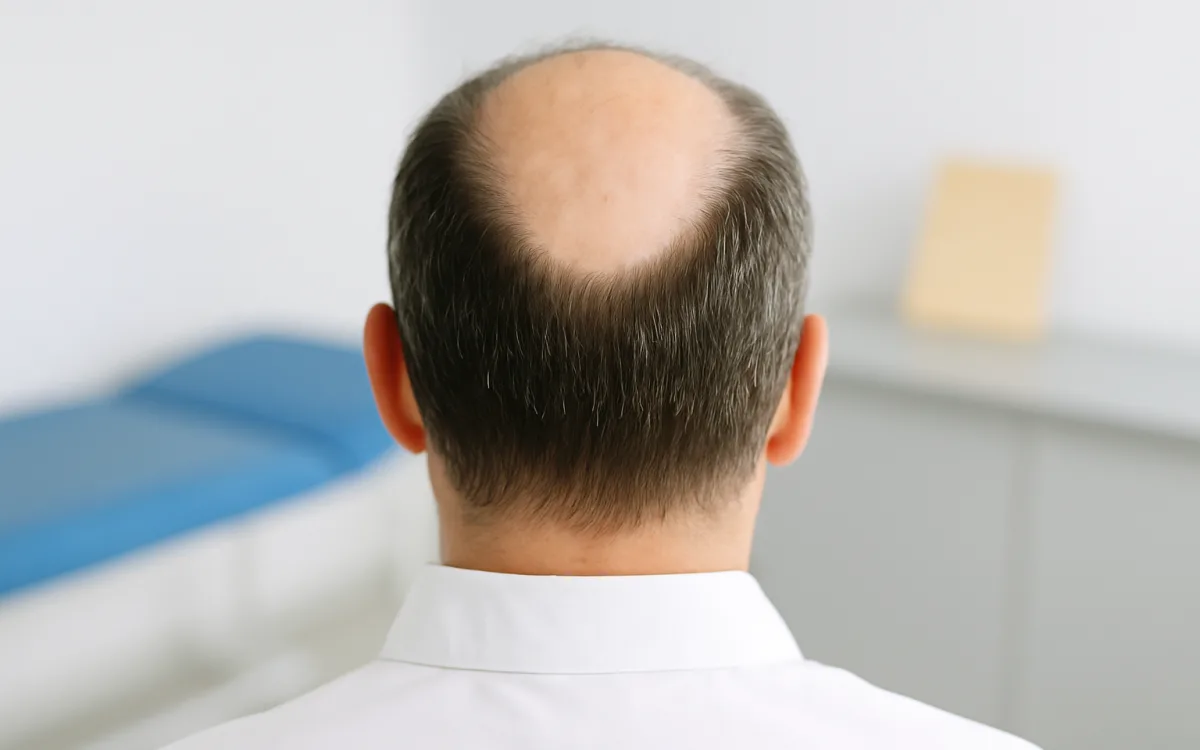
Male Pattern Hair Loss: Causes, Speed, and What It Means for Surgery
Learn the science behind male pattern hair loss, what affects its speed, and how this impacts your options for hair transplant in Turkey.
Why ask us for the quote
- One enquiry, quotes from several vetted clinics — you compare, nobody pressures you.
- We ask for the information a clinic needs to quote: no photo upload, no medical files.
- Every clinic on our list holds a Turkish Ministry of Health licence and treats international patients.
- You keep your language: we pass on which of the 12 languages you want to be answered in.
- No fee to you, ever. Clinics pay us, and that is written on this page rather than hidden.
- We are not a clinic and never treat anyone — so we have no reason to talk you into surgery.